



Managing both high blood pressure and erectile dysfunction doesn’t have to mean choosing to treat one or the other. Effective solutions exist for both and a balance between the two can be achieved.
Key points
Around 25% of erectile dysfunction cases are linked to blood pressure medication side effects (1)
Beta-blockers and diuretics pose the highest risk for sexual side effects (1,5)
ACE inhibitors and ARBs typically cause fewer problems with erectile function (1,2)
Most ED treatments can be safely combined with blood pressure medications under GP supervision (7)
Switching blood pressure medications may improve erectile function over several weeks to months, with clinical studies showing measurable improvement typically at 12–16 weeks (8)
In this article
Can blood pressure tablets cause erectile dysfunction?
Which blood pressure medications are most likely to cause erectile dysfunction?
How do I safely switch from a blood pressure tablet that causes ED?
Can I take erectile dysfunction treatments alongside blood pressure medication?
When should I speak to my GP about blood pressure medication and erectile dysfunction?
Can blood pressure tablets cause erectile dysfunction?
Yes, for as many as 1 in 4 men, certain blood pressure medications can cause erectile dysfunction. Luckily, there are alternative blood pressure treatments that are less likely to cause this.
Blood pressure pills can interfere with erections in a few different ways. Some of them reduce the flow of blood to the penis, and others affect the nerve signals that allow you to get an erection. The good news is that medication-induced erectile dysfunction is usually reversible when you switch to a different medication.
In fact, studies show that men who have erectile dysfunction are approximately 38% more likely to have high blood pressure than those who don't have erection problems (1). This makes it tricky because both high blood pressure itself, and the medicines that treat it, can impact maintaining or sustaining an erection.
If you had ED symptoms within 3 months of starting on a new blood pressure pill or taking a higher dose, that timing is likely to be the culprit rather than the underlying high blood pressure.
Step 1: Track symptom timing. Note when sexual problems began in relation to starting or changing blood pressure medication. This will help to find out if it's the medicine that's causing the ED.
Step 2: Dose link. If an increase in dose of your blood pressure medication makes the problem worse, the medicine is most likely to be responsible. Some men find their sexual function slowly gets worse over months as their body adjusts to the medication.
Step 3: Consider other factors. Existing issues like age, diabetes, heart disease and lifestyle factors (e.g. smoking) can also contribute to ED. It’s worth talking to your GP so they can assess what might be the medicine, and what isn't, with a thorough look at your medical history and a physical examination.
Simply jotting down in a diary when the sexual problems happen and how it relates to the timing of your medicines may help give your doctor the information they need to decide if switching medications could help.
Which blood pressure medications are most likely to cause erectile dysfunction?
Beta-blockers and diuretics pose the highest risk of causing ED, while ACE inhibitors and ARBs typically cause fewer sexual side effects.
Different types of blood pressure medications may affect your ability to get an erection in different ways. Knowing how each type does this can help your doctor choose more appropriate treatments for you, without compromising your heart health.
Beta-blockers reduce your heart rate and blood pressure, which in turn can also decrease blood flow to the penis and may interfere with the nerves involved in sexual arousal (2). Older beta-blockers like Propranolol may be more likely to cause sexual issues than newer types like Nebivolol.
Thiazide diuretics are another type of blood pressure medication that is very often connected to erectile dysfunction (2); in fact, some research shows that 15-20% of men on them report sexual side effects. They work by lowering the amount of blood in your body, which may impact blood flow to the penis. Also, some diuretics lower zinc levels and zinc plays a role in producing testosterone.
Generally, ACE inhibitors and ARBs have lower rates of sexual side effects. Some research even suggests that ARBs, like Losartan, have a lower rate of sexual side effects (2). Ramipril, a commonly prescribed ACE inhibitor, rarely causes erectile dysfunction, although around 7% of those using it will experience a persistent dry cough (6) - a side effect that typically doesn’t occur with ARBs.
Calcium channel blockers may have mixed effects on sexual function. They don't generally cause erectile dysfunction themselves, but they can sometimes make you tired or dizzy, which in turn can make it harder to be sexually active.
The table below provides an overview of each medication class (2). Individual response varies and specific rates depend on the study population, so these ranges are just a guide:
Medication class | ED risk level | Common examples | Sexual side effect rate |
|---|---|---|---|
Beta-blockers | High | Propranolol, Atenolol | 15-30% |
Thiazide diuretics | High | Bendroflumet hiazide | 15-20% |
ACE inhibitors | Low | Ramipril, Lisinopril | Less than 5% |
ARBs | Low | Losartan, Candesartan | Less than 5% |
Calcium channel blockers | Moderate | Amlodipine | 5-10% |
If you’re experiencing sexual side effects from blood pressure medication, discuss alternatives with your GP. Never stop any medication suddenly as this may cause dangerous blood pressure spikes.
How do I safely switch from a blood pressure tablet that causes ED?
Blood pressure medications should be switched gradually under a doctor’s supervision, and blood pressure should be monitored weekly during the first 4-6 weeks.
Switching blood pressure medications requires careful medical supervision to prevent fluctuations in blood pressure. Your GP will be able to create a personalised switching plan based on your current medication, blood pressure control and any other health conditions.
The process typically involves gradually reducing the dose of your current medication at the same time as slowly introducing a new one. This is to stop your blood pressure going up too high (called rebound hypertension) if you just stop the first medication suddenly, which is best to do over a period of 4 to 6 weeks.
You should have your blood pressure monitored regularly during this transition period. At-home blood pressure monitors can track how things are changing between doctor appointments. Your doctor might suggest you check your blood pressure twice a day and keep a written record.
Some men notice their erections improve within 2-3 weeks of starting the new medication, but for others it takes the full 4 to 6 weeks. It’s important to be patient, because both your blood pressure and your sexual function need time to adapt to the new medication.
If you experience severe headaches, chest pain, shortness of breath or your blood pressure is consistently 180/110 or higher during the medication switch, then you must get in touch with your doctor immediately.
Can I take erectile dysfunction treatments alongside blood pressure medication?
Most ED treatments can be combined with blood pressure medications, but a GP or pharmacist must make an individualised assessment to make sure.
Generally, you can use treatments for erectile dysfunction alongside your blood pressure medicine, but a doctor or pharmacist needs to check for how the drugs might affect each other.
Sildenafil (Viagra) and similar medicines can cause a small drop in blood pressure, but are usually fine if your blood pressure is controlled (3). This slight drop isn't normally a problem, but if you have a heart condition and use nitrates, you cannot take these ED drugs as your blood pressure could drop too low. Alpha-blockers, which are also used for blood pressure, can also interfere with ED treatments.
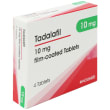
Tadalafil (Cialis) has a longer half-life than Sildenafil, meaning it can interact with other medicines for up to 36 hours. Your GP will review your specific blood pressure medications to ensure you can take both medications.
Timing can be important with some combinations. Taking ED medication and blood pressure tablets several hours apart may reduce the risks that they’ll interfere with each other. Your prescriber will provide specific guidance based on the medications you’re taking (4). Men with both high blood pressure and erectile dysfunction may also benefit from understanding the link between high cholesterol and erectile dysfunction, as these conditions often occur together.
When you first start ED treatment, you might be told to have your blood pressure monitored regularly. This is especially true if you take multiple blood pressure medications or if you have heart disease.
When should I speak to my GP about blood pressure medication and erectile dysfunction?
Speak to your GP if ED symptoms appear within 3 months of starting a blood pressure medication or if you change doses.
Several situations warrant discussing blood pressure medication and erectile dysfunction with your doctor, but one of the clearest signs is new sexual problems at the same time as you begin blood pressure treatment or change your dose.
Getting help quickly often gives you a better chance of improving the situation, and can prevent difficulties developing in your relationship. Many men delay making an appointment due to being embarrassed, but sexual health is a normal part of healthcare.
Before you have your appointment, jot down when your sexual problems started, what medication you’re on, and how your symptoms have changed over time. This will help your doctor find the most likely reason for the problem and the best solution (5).
When you see the doctor, they will check how well your blood pressure is being controlled, talk about various blood pressure medications, and possibly check your heart and circulation. You can also anticipate questions about other things that might be affecting your sex life, such as stress, how much you drink, or difficulties in your relationship.
Online pharmacies, like us at Oxford Online Pharmacy, offers discreet consultations for erectile dysfunction treatment, which include safety assessments for men taking blood pressure medications. Our pharmacists can review your current medications and recommend appropriate ED treatments.
Follow-up appointments are important when changing blood pressure medications. Your doctor will want to monitor your blood pressure and assess whether sexual function improves with the new treatment.
Frequently asked questions about blood pressure tablets and erectile dysfunction
Do all blood pressure medications cause erectile dysfunction?
No, not all blood pressure medications cause erectile dysfunction. ACE inhibitors and ARBs have lower rates of sexual side effects compared to beta-blockers and diuretics (2). However, individual responses may vary significantly between patients.
How long does it take for ED to improve after switching BP medication?
Within 2 to 6 weeks of starting a different medicine for your blood pressure, many men find their erections get better. However, it could be as long as 3 months for things to get completely back to normal as your blood flow and nerves begin to normalise with the new medicine.
Can I just reduce my blood pressure tablet dose instead of switching?
Reducing blood pressure medication doses without medical supervision may be dangerous and may not help improve erectile dysfunction. Your GP can assess whether reducing your dose is a good idea or if switching to a different medication is more appropriate.
Will natural blood pressure treatments help my erectile dysfunction?
Lifestyle changes like weight loss, regular exercise, and dietary improvements can benefit both blood pressure and erectile function. However, these shouldn’t replace prescribed blood pressure medications without your doctor’s approval.
Is it safe to take Viagra with Ramipril?
Yes, Sildenafil (best known as Viagra) is generally well tolerated when taken with Ramipril (an ACE inhibitor). However, you should avoid this combination if you also take nitrate medications for chest pain, as this can cause dangerous drops in blood pressure.
Can women’s sexual function be affected by blood pressure tablets?
Yes, blood pressure medications may affect sexual function in women, including reduced libido, difficulty reaching orgasm and vaginal dryness. Women should discuss these concerns with their GP just as men should.
What lifestyle changes help both high blood pressure and ED?
Regular cardio, maintaining a healthy weight, limiting alcohol, stopping smoking, and managing stress all benefit both blood pressure and erectile function. The Mediterranean diet has shown particular benefits for both conditions. Men with diabetes should also be aware of the connection between diabetes and erectile dysfunction, as blood pressure problems often occur alongside diabetic complications.
Should I stop my blood pressure medication if it’s causing ED?
You should never stop blood pressure medication without medical supervision, even if it’s affecting your sexual function. Suddenly stopping these medications can cause dangerous spikes in blood pressure, heart attacks or strokes. It is worth consulting your GP about alternative medications.