

Insomnia


-
 UK-registered clinical team
 -
Confidential & secure
-
No GP visit needed
-
Fast & discreet delivery


Insomnia Treatments To Help You Get Back On Track
Common signs of insomnia include difficulty falling asleep, waking up repeatedly throughout the night, or waking up much earlier than intended, which can impact your daily energy, mood, and quality of life.
At Oxford Online Pharmacy, our clinicians can assess your symptoms and, where clinically appropriate, prescribe treatments for chronic insomnia, age-related insomnia and jet lag.
If you're unsure why you're struggling to sleep or looking for insomnia help, our guide below explains the different types of insomnia, what causes it, and your treatment options.
Browse our insomnia treatments below or start a free online consultation to find the most appropriate option for you.
Insomnia at a glance | |||
|---|---|---|---|
| |||


What is insomnia?
Insomnia is one of the most common sleep disorders, with NHS inform estimating that insomnia affects around 1 in 3 people in the UK (1).
Anyone can experience the occasional bad night, but insomnia is characterised by ongoing sleep difficulties that can leave you exhausted, irritable and unable to perform your best.
What is the definition of insomnia?
Insomnia is defined as a sleep disorder that makes it difficult to fall asleep, stay asleep, or get back to sleep after waking during the night. Some people with insomnia also wake up much earlier in the mornings than they want to and are unable to get back to sleep.
But insomnia is more than getting too little sleep. To be considered insomnia, your sleep difficulties (2):
Must occur despite having enough opportunity to sleep
Usually affect how you feel or function during the day
This might include tiredness, poor concentration, irritability or reduced performance at work or school.
Do I have insomnia?
You may have insomnia if you regularly experience one or more of the following (2-3):
Taking longer than 30 minutes to fall asleep most nights
Waking up several times during the night and struggling to get back to sleep
Waking much earlier than intended
Feeling as though your sleep is poor quality or unrefreshing
Feeling tired, irritable or unable to concentrate during the day due to poor sleep
Worrying about sleep or dreading going to bed because you expect another bad night
Occasional sleep disruption is completely normal, particularly during periods of stress or illness. But if these symptoms happen regularly and are affecting your work, relationships or quality of life, or don’t ease once the trigger has passed, it may be time to seek professional insomnia help.
Insomnia or just a bad night's sleep? Everyone has the odd bad night. Insomnia is different. It's a recognised sleep disorder where difficulty falling asleep, staying asleep or waking too early happens regularly and starts affecting how you feel and function during the day. | ||
What are the different types of insomnia?
Insomnia is generally split into two main types based on how long it lasts.
Short-term insomnia: Usually lasts for a few days or weeks and is often triggered by a stressful event, a temporary change in routine, or travel. Sleep typically returns to normal once the underlying cause has resolved or stressor has passed.
Chronic insomnia: When sleep problems occur at least three nights a week for three months or more (3). It may be linked to ongoing stress or medical conditions, or it may have no clear cause (primary insomnia). It is more likely to require treatment than short-term insomnia.
How long does insomnia last?
There's no set timeline for insomnia. Some people experience sleep difficulties for just a few nights or a few weeks, while others find that poor sleep persists for months or even years.
How long insomnia lasts often depends on what is causing it and how easy it is to resolve. In some cases, sleep improves as the trigger passes or is addressed. This is especially true for short disruptions to your routine, such as feeling jet-lagged after travel.
But treating the cause doesn’t always treat insomnia itself. If you have weeks or months of poor sleep, your brain can begin to associate bedtime with being awake or worrying about sleep. This can cause insomnia to continue even after the original trigger has resolved.
What causes insomnia?
Insomnia can have many causes. Some of the most common include:
Stress and/or anxiety
Underlying medical conditions
Certain medications
Age-related changes to your sleep-wake cycle
Changes to your daily routine or sleeping environment
Why can stress and anxiety cause insomnia?
Stress is one of the most common causes of short-term and long-term insomnia (4).
When you're feeling stressed, your body stays in a heightened state of alertness. This can make it difficult to switch off, fall asleep or stay asleep throughout the night. Many people experiencing stress in their lives find themselves lying awake thinking about work, family or other everyday worries.
If the source of stress continues for weeks or months, such as ongoing work pressures or financial worries, or if you suffer from anxiety, the sleep problems may become chronic. Your body remains in a heightened state of alertness, making it difficult to establish a healthy sleep pattern.
But even short-term stress can sometimes lead to chronic insomnia. Although sleep often improves once the original stressor has resolved, temporary sleep problems can make some people anxious about sleep itself, which is enough to cause insomnia to persist even if the stress has passed.
Which medical conditions can cause insomnia?
Secondary insomnia can sometimes be caused by another health condition, including (2):
Depression and anxiety: These can make it difficult for the brain to fully switch off at bedtime, making it hard to get to sleep or causing you to wake up throughout the night.
Long-term pain: Conditions like arthritis or back pain can make it difficult to find a comfortable sleeping position and hard to fall or stay asleep.
An overactive thyroid (hyperthyroidism): Increased thyroid hormone levels can make you feel restless and anxious.
Neurological conditions: Alzheimer's disease and Parkinson's disease can disrupt the body's normal sleep-wake cycle and cause ongoing sleep disturbances.
Other sleep disorders: Obstructive sleep apnoea, restless legs syndrome and narcolepsy can all interrupt sleep and lead to symptoms of insomnia.
Some medications can also cause insomnia, even when the condition they're treating isn't directly affecting your sleep. Examples include (5):
Certain antidepressants such as sertraline
Steroid tablets such as prednisolone
Stimulant medications used to treat ADHD
Decongestants containing pseudoephedrine
How does getting older affect sleep?
Insomnia can happen at any age, but it becomes more common as we get older (6).
One reason is that the body naturally produces less melatonin, the hormone that helps regulate your sleep-wake cycle, as we age. Lower melatonin levels can make it harder to fall asleep and maintain good-quality sleep without waking throughout the night.
These changes become more noticeable from around the age of 60, although they can happen earlier. Women, in particular, may begin experiencing sleep problems during perimenopause or menopause. Menopause insomnia can happen for several reasons (7):
Falling hormone levels can affect your natural sleep-wake cycle
Symptoms such as hot flushes and night sweats can cause repeated waking during the night
Many women also notice changes in mood during menopause, including increased stress and anxiety, which can make sleep problems worse
Older people are also more likely to have medical conditions like arthritis or Alzheimer’s, which affect your sleep, and are more likely to be on medications that could cause sleep disturbances.
How do sleep routine and environment affect your sleep?
Aspects of your daily routine or sleeping environment can make it difficult to fall asleep or stay asleep. Common examples include (2):
Drinking caffeine too late on in the day
Smoking or vaping nicotine, especially close to bedtime
Drinking alcohol, particularly in the evening
Using phones, tablets or watching TV before bed
Going to bed and waking up at different times each day
Working shifts, particularly night shifts
Travelling across different time zones (jet lag)
A bedroom that's too hot, too cold or too noisy
An uncomfortable mattress or pillow
These factors can interfere with your body's natural sleep-wake cycle or simply make your sleeping environment less comfortable, making it harder to sleep properly.
What could be causing your insomnia?
Many people find that several factors contribute to insomnia. For example, menopause may lead to night sweats that keep them awake, while worrying about sleep makes it even harder to fall asleep.
To work out what could be causing your insomnia, ask yourself:
Has something happened recently that’s made you feel stressed or anxious?
Have you travelled across time zones or started working shifts?
Have you started a new medication?
Could your sleep disturbances be related to menopause?
Have your habits changed? Think about caffeine, alcohol, nicotine, or screen time.
Is your sleep environment comfortable? Think about noise, light, and temperature.
Remember: insomnia doesn't always have an obvious cause While many cases of insomnia are triggered by stress, medication, or another health condition, insomnia can develop without an identifiable medical cause. Even without an obvious trigger, insomnia is a real medical condition that can affect your health and quality of life. Whether your insomnia has an identifiable cause or not, effective treatments are available. | ||
How to help insomnia: What treatments are available?
Because insomnia is a complex sleep disorder with many and often multiple causes, several treatment options exist based on what the underlying cause could be and how long you’ve been struggling to sleep well.
Based on NICE guidance, insomnia treatment usually follows a step-by-step approach (2,8):
Identify and address the underlying cause, such as stress, anxiety, menopause, a medical condition, medication side effects, jet lag, shift work or your sleep environment.
Improve sleep hygiene. Simple changes to your routine and bedroom environment may help improve sleep and are usually the first place to start.
Try CBT-I for persistent insomnia. CBT-I helps change the thoughts and behaviours that keep insomnia going and is recommended before medication for chronic insomnia.
Consider prescription medication if insomnia is severe, persistent or significantly affecting your daytime life, especially if CBT-I has not worked, is unavailable or is unsuitable.
Why doesn’t treating the cause always cure insomnia? Addressing the root cause is an important part of treatment, but it isn't always enough. You might have first struggled to sleep because of stress, illness, or menopause. But after night after night of disrupted sleep, the brain can begin to associate bedtime with wakefulness rather than sleep. Treating the underlying cause is still important, but many people also need specific treatment for insomnia that helps break this learned cycle. | ||
How can sleep hygiene improve insomnia?
If you're wondering how to help insomnia naturally, improving your sleep hygiene is often the first place to start. Sleep hygiene refers to the habits and routines that help promote healthy sleep.
Simple changes that may help you sleep better include (3,9):
Going to bed and waking up at the same time every day, even on weekends
Avoiding caffeine, nicotine (cigarettes and vapes) and alcohol later in the day
Keeping your bedroom cool, quiet and dark when trying to sleep
Avoiding phones, tablets, TV and other electronic devices before bed
Exercising regularly, but not immediately before bedtime
Avoiding long daytime naps, especially in the afternoon or too close to bedtime
Improving your sleep hygiene is sometimes enough to cure insomnia. But if you've made several changes and still need more insomnia help, your doctor or prescriber may recommend further treatment like CBT-I or prescription medicines for insomnia.
How does CBT-I work for insomnia?
Cognitive behavioural therapy is commonly used to treat mental health problems, but it can also be used as a treatment for short-term and long-term insomnia in people of all ages (2-3,10).
Rather than helping you sleep better immediately, cognitive behavioural therapy for insomnia (CBT-I) works by changing the thoughts and behaviours that cause poor sleep, usually across 6 to 8 weeks of sessions. It can (11):
Help break the cycle of worrying about not sleeping
Teach relaxation techniques that help you relax and switch off before bed
Reduce habits that make insomnia worse, such as clock-watching or using your phone in bed
Establish a healthier sleep routine that helps your brain associate bed with sleep
Depending on your symptoms, CBT-I may also involve limiting the time you spend in bed to improve sleep quality, gradually rebuilding a consistent sleep pattern and learning coping strategies to challenge unhelpful thoughts about sleep (11).
Unlike sleeping tablets and other insomnia medication, CBT-I aims to produce long-term improvements in sleep and reduce the chance of insomnia returning.
When is medication used for insomnia?
Prescription medication isn't usually the first treatment for insomnia, but it may be appropriate if:
Your insomnia is significantly affecting your daily life
Improving your sleep hygiene hasn't helped
CBT-I isn't available, isn't suitable or hasn't worked for you
Short-term symptom relief is needed while the underlying cause is being addressed
Insomnia medication should ideally always be used alongside healthy sleep habits wherever possible, rather than replacing them.
Which insomnia medications are available?
Several medicines are available to treat insomnia. The most appropriate option depends on the cause of your sleep problems, your age and your medical history.
Traditional sleeping tablets work by slowing brain activity. They can be very effective but aren’t often prescribed anymore because they are addictive and can cause withdrawal symptoms (3,12). If prescribed, it’s for short-term insomnia only for up to 4 weeks (13).
Sedating antihistamines like diphenhydramine cause drowsiness by blocking histamine and can sometimes be used for treating short-term insomnia (14). However, they can make you feel drowsy the next day and there is a risk of developing a dependent habit.
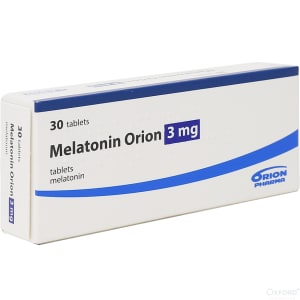
Melatonin tablets replace the natural hormone that helps regulate your sleep-wake cycle to help your body recognise it's time to sleep. Melatonin may be prescribed for short-term treatment of insomnia in older adults or to help reduce the effects of jet lag (15-16).
Orexin receptor antagonists like Oqviviq are a newer type of insomnia medication. They block the brain signals that promote wakefulness, making it easier to fall and stay asleep. Quviviq may be prescribed for adults with insomnia for up to three months (17).
Examples | Best suited for | Key point | Available from Oxford Online Pharmacy | |
|---|---|---|---|---|
Sleeping tablets | Zopiclone, Zolpidem, Benzodiazepines | Severe short-term insomnia | Usually prescribed for up to 4 weeks as they can be addictive, the brain can develop a tolerance and there is a higher chance of falls. | No |
Antihistamines | Promethazine, Diphenhydramine | Short-term sleep problems | Available from pharmacies or on prescription but shouldn’t be used for more than 2 weeks without advice from a doctor. | No |
Melatonin | Primary insomnia (adults aged 55+) or jet lag | Taken around 60 minutes before bed and helps regulate your body clock rather than acting as a sedative. | Yes | |
Melatonin (for jet lag) | Jet lag | Taken 1 hour before your destination bedtime once you're travelling, for up to 5 nights, to help reset your body clock across time zones. | Yes | |
ORAs | Chronic insomnia | Helps reduce wakefulness and can be used for longer-term treatment as there is no evidence it’s addictive. | Yes |
In some circumstances, a GP or sleep specialist may also prescribe other medicines, such as certain antidepressants, for insomnia. These are usually prescribed off-label after carefully considering the potential benefits and risks. Melatonin may also be prescribed off-label for children with insomnia in some cases.
Not everyone will be suitable for every treatment. You will first need to fill out an online consultation and our prescribing doctors will consider your symptoms, age, medical history and the likely cause of your insomnia before recommending the most appropriate option for you.
Which insomnia treatment is right for you?
There is no single best treatment for insomnia, as it depends on the type of insomnia you have:
If your insomnia is related to poor sleep habits, improving your bedtime routine and sleep environment may be enough.
If your insomnia is caused by another condition, medication, or menopause, treating the underlying problem may improve your sleep.
If you have severe short-term insomnia that's significantly affecting your daily life, your prescriber may recommend a short course of sleeping tablets or antihistamine sleep aids.
If you have short-term insomnia caused by jet lag, a short course of prescription Melatonin tablets (3mg) is an effective option.
If you have chronic insomnia, CBT-I is usually the first-line treatment. Prescription medication like Quviviq may be appropriate if CBT-I isn't suitable or hasn't been effective.
If you're aged 55 or over with primary insomnia, prolonged-release Melatonin 2mg tablets (Circadin) may be recommended to help regulate your sleep-wake cycle.
Following an online consultation, our clinicians can recommend whether prescription treatment is appropriate and, if so, which option is most suitable.
When should you speak to your GP?
You should speak to your GP about your sleep disruptions if:
Your insomnia has lasted for several weeks and is affecting your daily life
Improving your sleep hygiene hasn't helped you sleep better
You think your insomnia may be caused by a medical condition or medication
You're struggling with symptoms of anxiety or depression
You regularly snore loudly, stop breathing during sleep or wake gasping for air
You're sleepy during the day or find yourself falling asleep unexpectedly
Your insomnia is affecting your work, relationships or mood
Your GP can help identify the underlying cause of your sleep problems and recommend the most appropriate treatment. In some cases, they may refer you to a sleep specialist.
Alternatively, if you’re looking for insomnia help and have already tried improving your sleep environment, you may be suitable for prescription treatments such as Circadin, Melatonin for Jet Lag or Quviviq through Oxford Online Pharmacy.
Browse our insomnia treatments below or start a free online consultation to find the most appropriate option for you.
References
NHS inform. Insomnia [Internet]. NHS Scotland; [cited 2026 Sep 3].
NICE. Insomnia [Internet]. NICE. 2022 [cited 2026 July 6]
NHS. Insomnia [Internet]. NHS. 2024 [cited 2026 July 6]
Suni E. Stress and insomnia [Internet]. Sleep Foundation. 2020 [cited 2026 July 6]
Van Gastel A. Drug-Induced Insomnia and Excessive Sleepiness. Sleep Medicine Clinics. 2022 Sept;17(3):471–84.
Newsom R, DeBanto J. Aging and Sleep: How Does Growing Old Affect Sleep? [Internet]. Sleep Foundation. 2022 [cited 2026 July 6].
Maki PM, Panay N, Simon JA. Sleep disturbance associated with the menopause. The Journal of The North American Menopause Society [Internet]. 2024 June 25 [cited 2026 July 6];31(8).
NICE. Sleep and sleep conditions | Topic | NICE [Internet]. www.nice.org.uk. 2022
NHS. How to fall asleep faster and sleep better [Internet]. Better Health – Every Mind Matters. 2021 [cited 2026 July 6].
NHS. Cognitive behavioural therapy (CBT) [Internet]. NHS. 2025 [cited 2026 July 6].
Newsom R. Cognitive behavioral therapy for insomnia (CBT-I): An Overview [Internet]. Sleep Foundation. 2024 [cited 2026 July 6].
NICE. Medicines associated with dependence or withdrawal symptoms: safe prescribing and withdrawal management for adults NICE guideline [Internet]. 2022 [cited 2026 July 6].
NICE. Guidance on the use of zaleplon, Guidance on the use of zaleplon, zolpidem and zopiclone for the short- zolpidem and zopiclone for the short- term management of insomnia term management of insomnia Technology appraisal guidance [Internet]. 2004 [cited 2026 July 6].
NHS website. Antihistamines [Internet]. nhs.uk. 2017 [cited 2026 July 6].
Melatonin 3 mg film-coated tablets - Summary of Product Characteristics (SmPC) - (emc) [Internet]. www.medicines.org.uk. [cited 2026 July 6].
Melatonin 2 mg prolonged-release tablets - Summary of Product Characteristics (SmPC) - (emc) | 101120 [Internet]. Medicines.org.uk. 2025 [cited 2026 July 6].
QUVIVIQ 50 mg film-coated tablets - Summary of Product Characteristics (SmPC) - (emc) [Internet]. Medicines.org.uk. 2025 [cited 2026 July 6].
Authored on August 28, 2026

Robert Bradshaw (Pharmacist) — MRPharms BSc(Hons) Pharmacy
Superintendent Pharmacist
GPhC Number: 2036118
Reviewed on August 29, 2026

Not sure which treatment option is right for you? Fill out your details and an Oxford Online Pharmacy expert will get in touch.