


-
 UK-registered clinical team
 -
Confidential & secure
-
No GP visit needed
-
Fast & discreet delivery


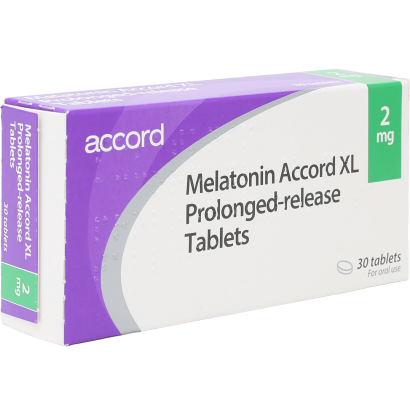
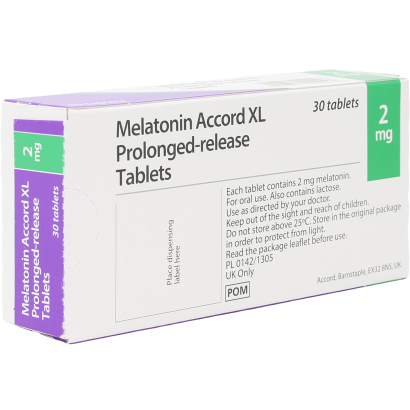
Melatonin XL 2mg 30 Prolonged-release Tablets
Melatonin XL 2mg 30 Prolonged-release Tablets Product information
£29.99 (£29.99 per )
If falling asleep feels harder than it used to, age-related changes in melatonin levels may be part of the reason. Melatonin Accord 2mg prolonged-release tablets are a prescription treatment for short-term insomnia in adults aged 55 and over, designed to support a more natural night’s sleep.
Product Information for Melatonin XL 2mg 30 Prolonged-release Tablets
What are melatonin prolonged-release tablets?
Melatonin 2mg prolonged-release tablets are a prescription treatment for short-term insomnia (difficulty sleeping) in adults aged 55 years and over (1).
They contain melatonin, a hormone your body naturally produces to help regulate your sleep-wake cycle (2). These tablets are designed to release melatonin gradually throughout the night, helping to better mimic your body’s natural sleep rhythm.
Signs of insomnia may include: struggling to get to sleep, waking up repeatedly throughout the night, or your usual sleep pattern has become disrupted (3-4). Melatonin tablets may help you get a more restful night's sleep and wake up feeling more refreshed.
What is melatonin?
Melatonin is a hormone naturally produced by the brain, mainly in response to darkness.
It plays an important role in controlling your circadian rhythm — your internal body clock that tells you when it’s time to feel awake and when it’s time to sleep. Melatonin levels usually rise in the evening to help prepare your body for sleep, then fall again in the morning as you wake (2).
As we get older, natural melatonin production may decrease, which can contribute to sleep difficulties.
How does melatonin help insomnia?
Unlike some sleeping tablets that work by decreasing wakefulness, melatonin works by supporting your body’s natural sleep signals. For some people, particularly older adults whose natural melatonin levels may be lower (5), this can make it easier to:
Fall asleep more naturally
Maintain a healthier sleep pattern
Improve sleep quality
Reduce disrupted sleep caused by circadian rhythm changes
Because this is a prolonged-release melatonin tablet, the hormone is released gradually throughout the night rather than all at once.
Who are melatonin tablets suitable for?
Melatonin Accord 2mg prolonged-release tablets are for adults aged 55 years and over who have primary insomnia (1). This means they frequently find it hard to fall or stay asleep or struggle with poor-quality sleep without any clear medical, mental, or environmental cause.
They may be suitable if you want a prescription treatment that works with your natural sleep cycle, rather than a traditional sedative sleeping pill, but may not be the best option if you:
Are allergic to melatonin or any ingredient in the tablets
Have a lifestyle where the effects of drowsiness caused by melatonin might be a safety risk
Are pregnant, trying to become pregnant, or breastfeeding
Have kidney issues
Have an autoimmune condition
Have certain sugar intolerances (these tablets contain lactose)
Are a smoker, as tobacco smoke can increase how quickly melatonin is broken down
This treatment is not suitable for people with liver problems, or children or adolescents under 18, although some adults under 55 may be prescribed melatonin off-label by a specialist.
An insomnia consultation via our Online Doctor service is required before treatment is prescribed to make sure melatonin is a safe and effective option for you.
Full safety information can be found in the Patient Information Leaflet.
Advisory information
Melatonin can cause drowsiness the following morning, particularly if taken late at night or if you do not get a full night’s sleep. Do not drive or operate machinery if you feel less alert than usual.
Melatonin can interact with certain medicines, including some antidepressants, sleeping tablets, hormone treatments, antibiotics, and epilepsy medications. Always tell your prescriber about any medicines or supplements you take before starting treatment.
Full safety information can be found in the Patient Information Leaflet.
Melatonin XL 2mg 30 Prolonged-release Tablets reviews
How to use Melatonin XL 2mg 30 Prolonged-release Tablets
The recommended dose is one 2mg melatonin tablet once daily, swallowed whole with water.
Because these are prolonged-release tablets, they should not be crushed, broken, or chewed, as this can affect how the medicine is released overnight (1).
Some people with specific sleep disorders or underlying conditions may be prescribed melatonin differently by a specialist. Always follow the exact instructions given by your prescriber, as they will have made recommendations based on your symptoms, medical history, and individual circumstances.
If you accidentally take more melatonin than prescribed, you may feel unusually drowsy or groggy. While an extra dose is unlikely to cause serious harm in most cases, you should contact your doctor or pharmacist for advice (1).
When should I take melatonin?
Melatonin should be taken in the evening after food, around 1-2 hours before bedtime (1,6).
These prolonged-release tablets are designed to mimic your body’s natural melatonin production, releasing the hormone bit by bit. Taking your tablet at the right time gives the medicine a chance to be absorbed and begin working, so it helps you naturally transition into sleep once you get into bed.
It’s best to take melatonin when you’re planning to go to bed at a sensible time and can allow yourself a full night’s sleep, where possible. If you need to wake unusually early or get less sleep than normal, you may be more likely to feel groggy the next morning.
What if you miss a dose?
If you forget to take your tablet, take it as soon as you remember before sleep, even if later than you originally planned and less than 1 hour before bedtime.
If you don’t remember the missed tablet until after you’ve gone to bed, wait until your next scheduled dose. Taking the tablet too late at night can increase the chances of feeling drowsy tomorrow. When it comes to the next day, do not take a double dose to make up for a missed tablet.
Can I take melatonin tablets every night?
Yes, melatonin prolonged-release tablets are usually taken nightly while prescribed treatment. They only work while you take them, so using them daily supports your sleep cycle each night.
Unlike some prescription sleeping tablets, melatonin also doesn’t cause dependence or withdrawal symptoms when treatment stops. That said, this product is intended for short-term use for up to 13 weeks, rather than as a permanent long-term sleep solution unless you have been specifically advised otherwise by a specialist.
If your sleep problems continue, keep returning, or worsen despite treatment, you should speak to your prescriber for help and advice.
How long does melatonin stay in your system?
Melatonin itself doesn’t stay in your system for long at all, but Accord melatonin 2mg tablets are specifically designed to release melatonin slowly rather than all at once. This helps mirror your natural melatonin levels throughout the night, but it also means it stays in your system longer.
For this specific product, the terminal half-life is around 3.5 hours to 4 hours, meaning it takes that long for the amount of melatonin in the body to reduce by half after reaching peak levels (1). This means most of the melatonin will be cleared from the body the following morning.
Because these tablets are licensed for adults aged 55+, it’s also relevant that metabolism slows with age. This means some older adults may process the medicine more slowly, which helps support overnight coverage but may also make next-day drowsiness more noticeable in some people.
Side effects of Melatonin XL 2mg 30 Prolonged-release Tablets
Melatonin is generally well tolerated, and many people experience no side effects at all when taking the prolonged-release pills as prescribed. In clinical trials, 48.8% of patients on melatonin reported an adverse reaction vs 37.8% on placebo in clinical trials (1).
Most commonly reported side effects are mild and uncommon, affecting up to 1 in 10 people (7):
Feeling sleepy or groggy the next morning
Headache
Dizziness
Tiredness
Nausea
Dry mouth
Indigestion or stomach discomfort
Irritability
Restlessness
Anxiety
Unusual dreams or nightmares
Because melatonin can make some people feel drowsy, avoid driving or operating machinery if you feel less alert than usual.
There are also rare, more serious side effects. Examples include fainting, chest pain, blurred vision or other visual problems, disorientation, depression, feeling your heart beating, and changes in certain blood cell counts.
For a full list of side effects, refer to the Patient Information Leaflet that comes with your medication.
How long do the side effects last?
General side effects should subside within 12 hours as the drug will have likely cleared from your body by this time. Drowsiness or grogginess is usually most noticeable the morning after taking a dose, particularly if you took your tablet later than recommended or didn’t get a full night’s sleep.
Other side effects, such as headache, dizziness, or digestive discomfort, are often also temporary, but if they continue, worsen, or start affecting your daily life, you should seek medical advice.
How can you reduce the side effects of melatonin?
There are several simple ways to reduce the chance of side effects from melatonin tablets:
Take the dose of melatonin you’ve been prescribed
Take your tablet after food
Take it 1–2 hours before bedtime
Swallow the tablet whole (do not crush, break, or chew it)
Avoid alcohol before, during, and after taking melatonin
Try to allow enough time for a full night’s sleep
Avoid taking extra doses
If you regularly feel groggy the next day, or the treatment doesn’t feel right for you, speak to your prescriber. They may be able to adjust your treatment plan or recommend an alternative option.
When should you seek medical guidance?
Stop taking melatonin and seek urgent medical advice if you develop symptoms that could suggest a serious side effect, such as:
Fainting or feeling close to fainting
Severe chest pain
Blurred vision or sudden changes to your vision
Severe dizziness, vertigo, or feeling disorientated
A racing, pounding, or unusual heartbeat
Signs of an allergic reaction, such as swelling of the mouth, tongue, or skin
You should also speak to your doctor, pharmacist, or prescriber if less serious side effects are persistent or getting worse, if your sleep becomes worse instead of improving, or if you notice unexpected symptoms that worry you.
If you’re ever unsure if a symptom is related to your treatment, it’s always best to check.
-
Yes, melatonin can improve sleep by helping to support your natural sleep-wake cycle, particularly if low melatonin is contributing to your insomnia. Melatonin 2mg prolonged-release tablets are specifically for adults aged 55+ with primary insomnia.
-
Melatonin is not banned in the UK but is a strictly controlled prescription only medication (POM) and must be only obtained with a prescription.
-
Melatonin tablets take around 1-2 hours to work, assuming they are taken whole with water and after eating, as prescribed. This is why it’s important to take the medicine 1-2 hours ahead of sleep, rather than at the moment you decide to go to bed.
-
Melatonin is not known to be addictive, and people don’t experience withdrawal symptoms when they stop (8). The 2mg melatonin tablets are intended as a short-term solution unless a specialist advises otherwise, which also helps you stop becoming dependent on them.
-
In the UK, melatonin tablets are only available with a prescription (8). You can see your GP for an NHS prescription or buy them from regulated online pharmacies, like Oxford Online Pharmacy, following an online consultation to confirm they’re safe and effective for you.
-
No, you cannot buy melatonin over the counter in the UK, as it’s a prescription-only medicine. UK patients should only obtain melatonin through a trusted pharmacy following a clinical assessment (8).
-
No, you shouldn’t take melatonin with alcohol (8). Alcohol blocks the melatonin receptors in the brain, reducing how well the prolonged-release tablets work. Alcohol may also increase drowsiness or grogginess while negatively impacting your sleep quality.
-
No, you should not take melatonin if you’re pregnant, trying to conceive, or breastfeeding. While this product is licensed for adults aged 55 and over, meaning pregnancy is unlikely to be relevant for most users, this safety advice still applies.
-
Most people taking melatonin don’t experience constipation, but digestive side effects can occasionally occur. If you experience persistent constipation while taking the tablets, speak to your prescriber. For a full list of side effects, read the Patient Information Leaflet.
Melatonin Accord 2 mg prolonged-release tablets - Summary of Product Characteristics (SmPC) - (emc) [Internet]. Medicines.org.uk. 2020
NHS. About melatonin [Internet]. nhs.uk. 2023.
Insomnia [Internet]. The Sleep Charity. 2023.
NHS. Insomnia [Internet]. nhs.uk. 2024.
Aging and Sleep - The Sleep Charity [Internet]. The Sleep Charity. 2023.
NHS. How and when to take melatonin [Internet]. nhs.uk. 2023.
Melatonin Accord 2 mg prolonged-release tablets - Patient Information Leaflet (PIL) - (emc) | 11788 [Internet]. Medicines.org.uk. 2025 [cited 2026 May 25].
NHS. Common questions about melatonin [Internet]. nhs.uk. 2023.
- Save on Your Treatment This January
- How blood affects erections: the science behind erectile dysfunction
- Why do ED medicines work for some people but not others?
- How do GLP-1 side effects compare between treatments?
- What is the Black Market for Prescription Medication?
- What is GLP-1, and what does it have to do with weight?
- What does Mounjaro do in the body?
- Oral semaglutide for Alzheimer’s: What the EVOKE trial results tell us
- What you need to know about Wegovy 7.2mg
- What is Finasteride and how does it work for hair loss?
Authored on May 26, 2026

Robert Bradshaw (Pharmacist) — MRPharms BSc(Hons) Pharmacy
Superintendent Pharmacist
GPhC Number: 2036118
Reviewed on May 27, 2026
