


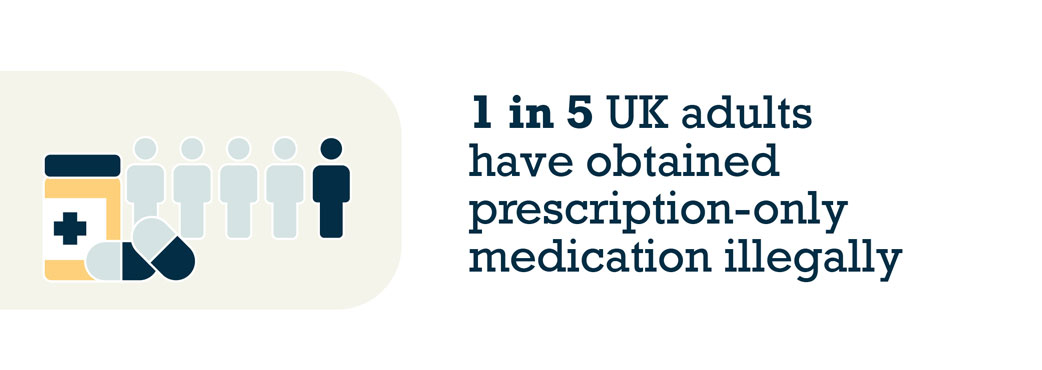
A 2025 survey by Oxford Online Pharmacy found 1 in 5 UK adults (20%) have obtained prescription-only drugs via the black market, with anti-anxiety medication being the most sourced.
This new data highlights the growing issue of black-market demand for prescription medication in the UK, why it happens, and the risks involved.
What is black-market medication?
Black-market medication refers to medicines that are sold or bought illegally.
A medication can be classed as ‘illegal’ in several ways, including:
- Unlicensed medication: Medications that are not authorised for sale in the UK, as they don’t meet the safety, quality, and efficacy standards set by the Medicines and Healthcare products Regulatory Agency (MHRA).
- Counterfeit medication: Products that are manufactured to look like genuine, licensed medications, but may contain fake, incorrect, or harmful ingredients.
- Medication acquired without a prescription: Most medications must be prescribed by a healthcare professional. If they are bought without a prescription, or if a prescription is used by someone other than the legal recipient, the medicine is deemed illegal and unsafe to be consumed.
What are the dangers of black-market medication?
Sourcing medication from the black market means you can’t be certain of what you’re actually using.
These medicines may be counterfeit or tampered with, and can be:
- Mislabelled
- Stronger or weaker than expected
- Mixed with harmful substances
- Ineffective
- Expired or incorrectly stored
Even if the medication isn’t counterfeit, it is still extremely dangerous to take if it hasn’t been prescribed to you.
Healthcare professionals consider many factors when prescribing, and if a medicine has not been prescribed to you, there is likely a clinical reason.
Any symptoms or side effects from black-market medication are unpredictable, as there’s no way of knowing what ingredients or dosages they contain and how your body might react.
Medication from the black market can worsen existing health conditions, inflict poisoning or permanent injury and, in extreme cases, can lead to death (1).
How many people obtain medication illegally?
A recent survey of 2,000 UK adults by Oxford Online Pharmacy found 1 in 5 people (20%) admit to having sourced prescription-only medication from the black market.
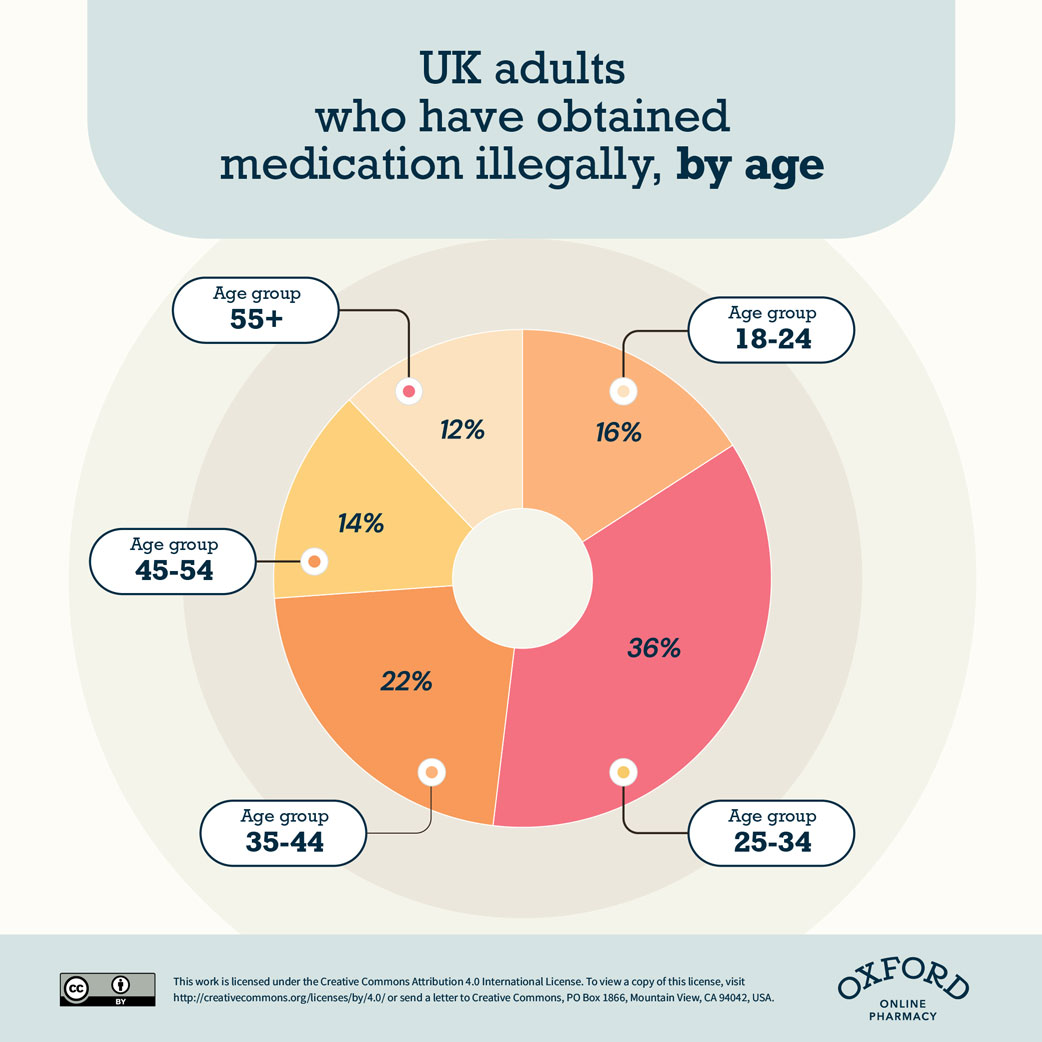
This figure rises to a staggering 44% for people aged 25 to 34.
A further 10% of respondents state they have been offered illegal medication from an unlicensed source but did not buy or obtain it.
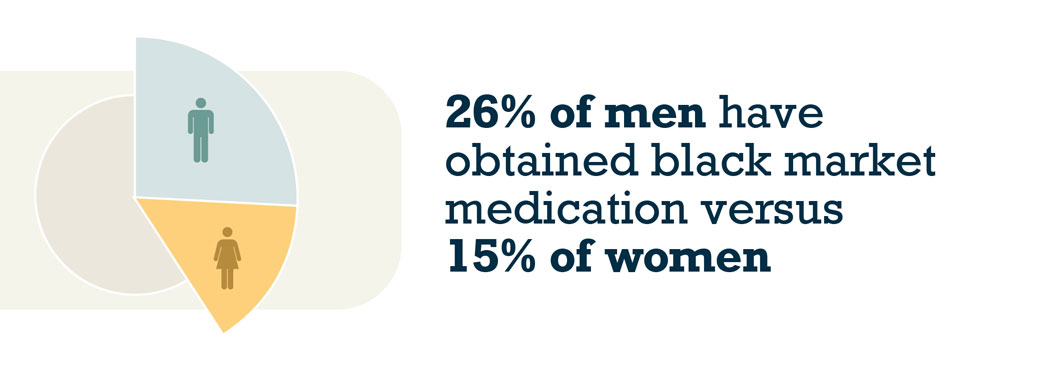
Men are more likely to acquire medication illegally (26%) than women (15%).
Annual salary also impacts the likelihood of sourcing black-market medication.
Those earning an annual salary of £75,000 to £85,000 are the most likely, with 47% admitting to this, versus only 13% of respondents earning under £15,000 a year.
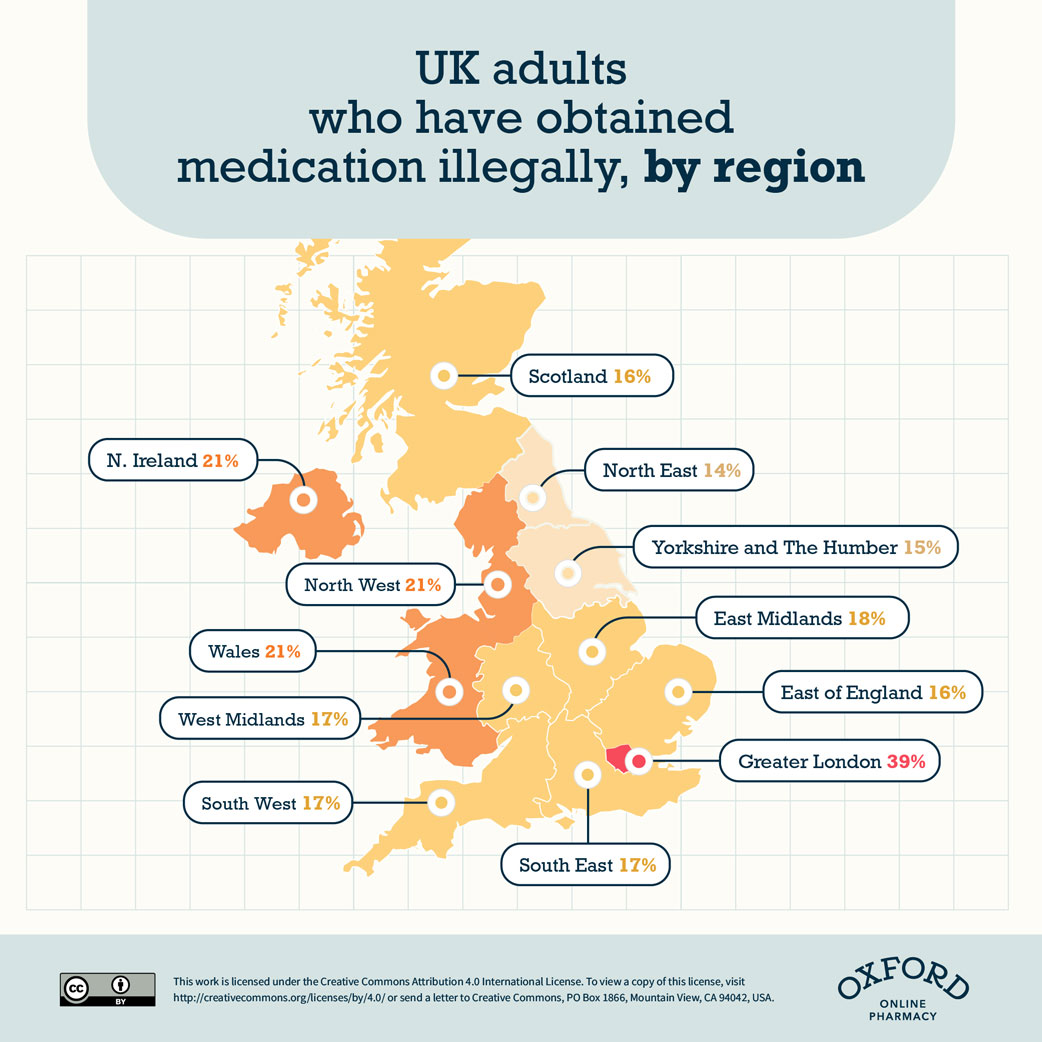
Regionally, residents in Greater London are the most likely to have secured medication from the black market (39%), and people in the North East are the least likely (14%).
Where do people obtain black-market medication?
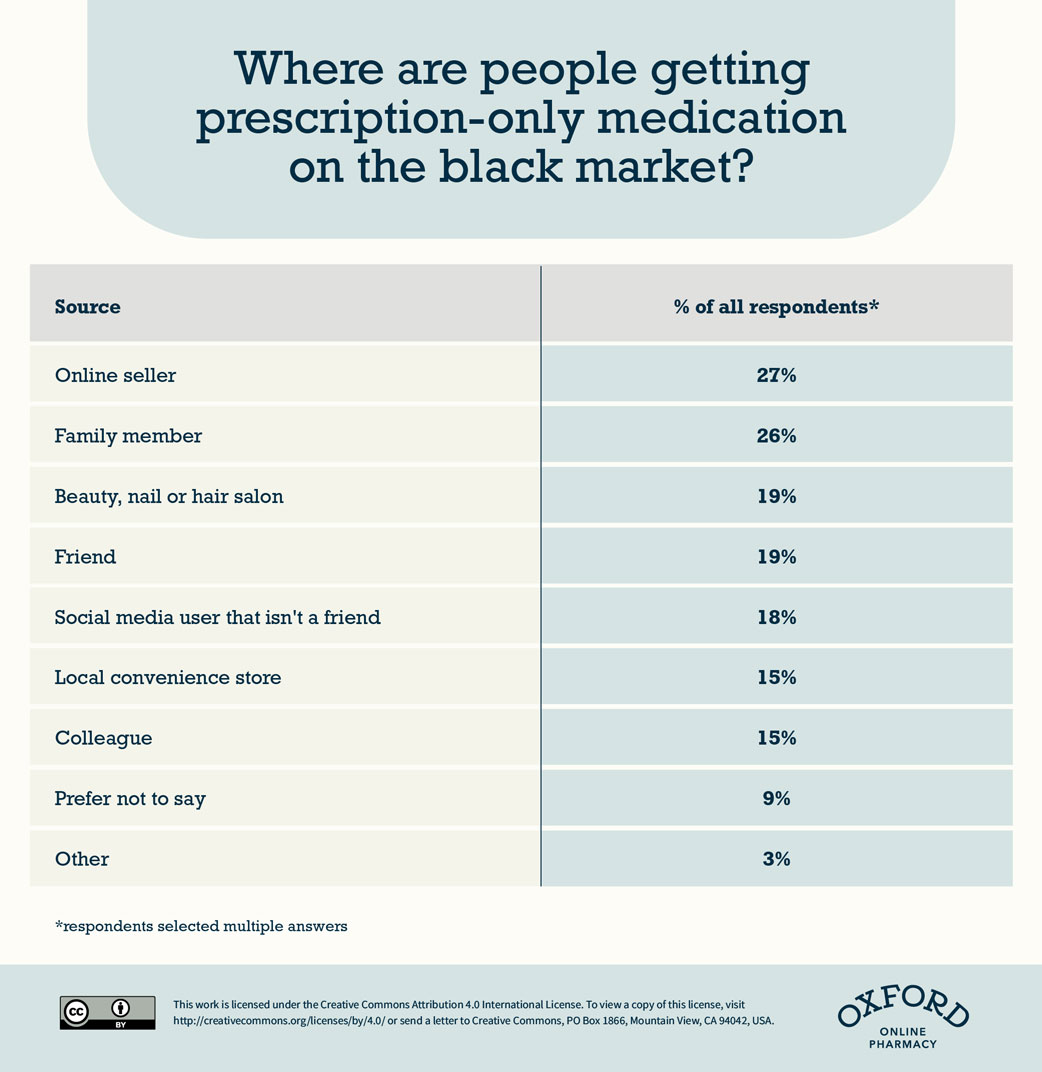
Our survey shows that online sellers, including unlicensed online pharmacies, are the most common source of black-market medication (27%).
However, this is closely followed by family members (26%), and hair and beauty salons (20%). A further 15% of respondents said they have obtained medication illegally from a local corner shop.
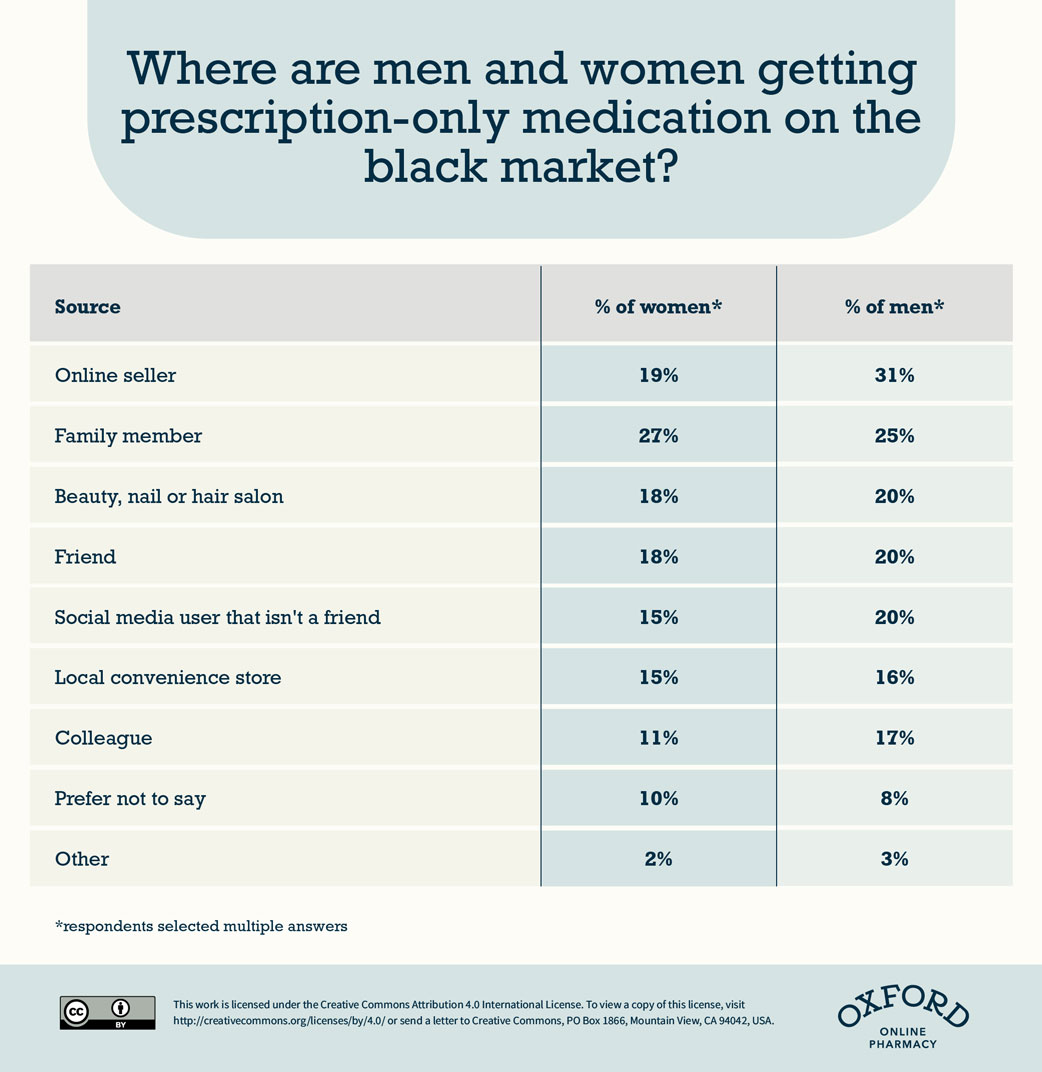
Men are most likely to secure medication from unlicensed online sources (31%), whereas women are most likely to acquire it from family members (27%).
What is the penalty for sharing prescription drugs?
Prescription medication should only be taken by the person it’s prescribed to.
Sharing prescription medications can cause:
- Addiction
- Dangerous side effects
- Incorrect dosage or treatment
- Masking a serious condition that needs medical attention
In the UK, sharing prescription drugs is illegal and is treated as an offence similar to drug dealing, which can result in fines and imprisonment under the Misuse of Drugs Act 1971 or Medicines Act 1968.
The extent of the punishment will depend on:
- The classification of the drug
- The quantity shared
- Whether it’s a first-time or repeat offence
What types of medication are being sold on the black market?
Research by Oxford Online Pharmacy reveals that anti-anxiety medication is the most commonly sourced medication on the black market.
Medications in this category, including SSRIs, SNRIs, and benzodiazepines, represented 35% of all illegally acquired prescription medications reported by respondents.
This rises to 43% among 25-34-year-olds, and 56% for respondents living in Yorkshire and the Humber.
For those earning £15,000 or less annually, anti-anxiety medication is also the most frequently sourced on the black market, making up 44%.
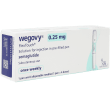
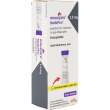
Insomnia treatments, like sleeping pills, were the second most-sourced medication on the black market (29%), followed closely by weight-loss drugs including Wegovy, Mounjaro, and Ozempic (28%).
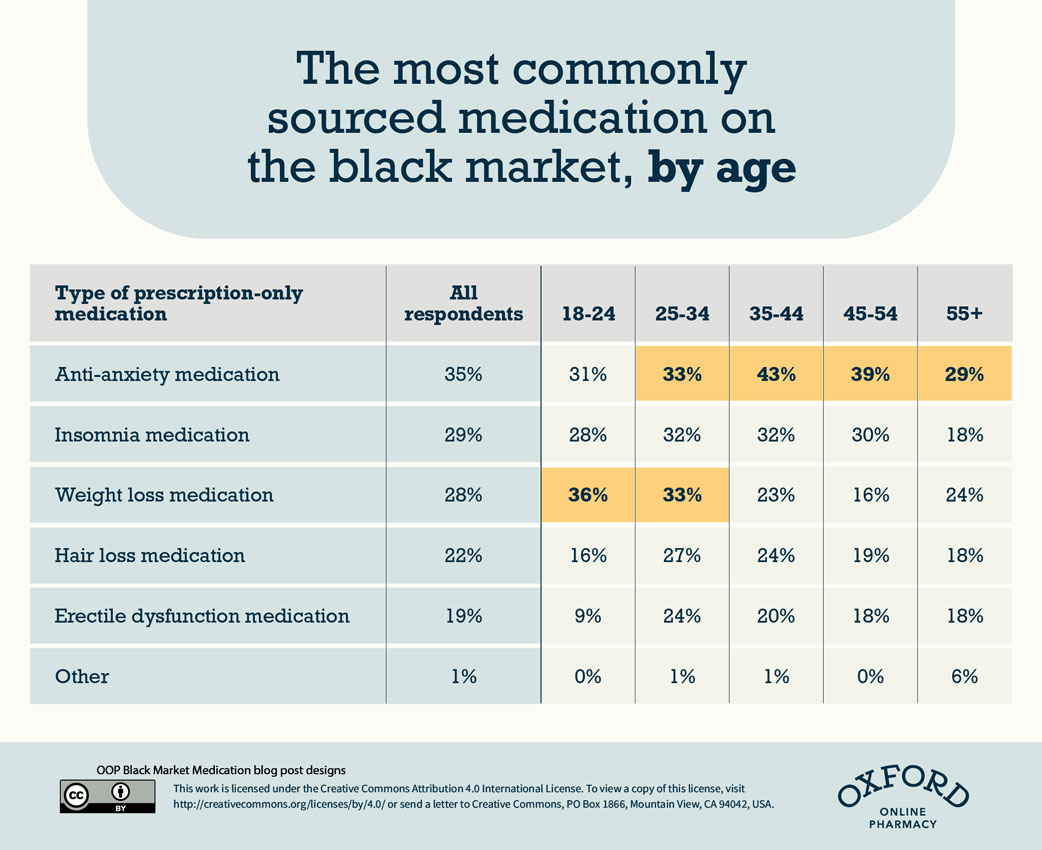
Young adults are the most likely to obtain weight-loss medications from illegitimate channels.
Of those who have sourced medication from the black market, 36% of 18-24-year-olds have done so for weight-loss drugs.
Regionally, 50% of respondents living in the East Midlands reported doing the same, as did 50% of high earners with salaries between £85,000 and £99,000.
Additionally, 22% of people had illegally obtained prescription-only hair loss treatments like finasteride, dutasteride, and corticosteroids.
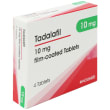
19% had sourced erectile dysfunction medication, including Viagra, Cialis, Sildenafil, and Tadalafil.
Data secured through a Freedom of Information (FOI) request by Oxford Online Pharmacy found that 7.5 million doses of fake Viagra have been seized in the UK since April 2023.
Why do people seek prescription-only medication illegally?
- Long NHS waiting times
- Lower cost compared to legitimate sources
- Embarrassment surrounding certain health conditions
- Dependency or addiction
- Seeking controlled drugs not prescribed in the UK
- Lack of awareness about the risks involved
While many people feel they have valid reasons for turning to the black market, the risks associated with using illegal prescription drugs make it far from a safe or worthwhile option.
What are controlled drugs?
Controlled drugs are substances that are highly regulated by the UK government due to their potential to cause health risks.
They are classified into five schedules under the Misuse of Drugs Regulations 2001.
Each schedule represents the level of control required based on the drug’s potential for harm and risk of addiction, from 1 (most controlled) to 5 (lowest-risk and most lightly controlled).
Schedule 1 drugs have no recognised medical use and are illegal to prescribe, while those included in Schedules 2-5 are prescription-only medications (POMs).
Examples of prescription-only controlled drugs include:
- Codeine (Schedules 2-5 depending on formulation)
- Methylphenidate (Schedule 2)
- Morphine (Schedule 2)
- Pregabalin (Schedule 3)
- Tramadol (Schedule 3)
- Anabolic steroids (Schedule 4)
- Diazepam (Schedule 4)
- Lorazepam (Schedule 4)
Schedule 5 doesn’t list individual prescription drugs. A substance must meet specific criteria to be included in this category, and it only applies to low-strength products, such as dilute morphine solutions or low-concentration codeine cough syrup.
While these drugs can be prescribed, different medications have different restrictions, and not all are used in routine practice.
Who can prescribe controlled drugs?
Since controlled drugs are highly regulated, only specific healthcare professionals can prescribe them, including:
- GPs
- Hospital doctors
- Dentists
- Some non-medical independent prescribers, such as physiotherapists, paramedics, and nurses
Some of these professionals are restricted to prescribing certain drugs or schedules. Schedule 1 drugs cannot be prescribed by anyone, as they are illegal for medical use.
How to stay safe when purchasing medication online
Nearly half of UK adults (44%) have bought medicine or medical products online (2). But is it always safe to order your prescription medication online?
While buying online is a quick and discreet way to access healthcare, it’s natural to wonder about the safety of ordering prescription medications.
There are many online pharmacies, like Oxford Online Pharmacy, that prioritise patient safety. However, illegal and fake online pharmacies that sell counterfeit medications can sometimes look convincing.
Ordering your prescription online can be risky if you don’t know what to look for.
It’s essential to only use pharmacies that display a General Pharmaceutical Council (GPhC) logo and registration number.
Any online pharmacy you use for prescription medicines should also require a consultation or proof of prescription before allowing you to order.
How Oxford Online Pharmacy ensures safe prescribing
Oxford Online Pharmacy combines a culture of care and online convenience, ensuring patient safety and satisfaction is prioritised at every step.
Our qualified pharmacy team is fully regulated by the GPhC, and all consultations are reviewed by independent GMC-registered doctors to ensure treatments are appropriate to prescribe.
If it’s not approved for any reason, we’ll suggest alternatives or offer guidance around other forms of support.
Speak with an expert from our clinical team for free.
Frequently asked questions
Why are certain life-saving or high-demand medications more likely to be sold on the black market?
Life-saving and pain management medications, such as morphine and opioids, are more susceptible to black market trade for several reasons:
- Urgency or desperation
- Addiction
- Reduced legal availability for controlled substances
- Scarcity of high-demand medications
- Drugs/medications with psychoactive effects attract both recreational and medical users
How does black market medication differ from counterfeit drugs?
Counterfeit drugs are illegally manufactured, fake medications that are designed to look genuine and sold with the intent to deceive consumers.
This differs from black-market medication, referring to the sale of illegal medicines, which can include counterfeit drugs.
Counterfeit medical products can pose serious health risks to users, as they may contain excessive or dangerous substances, or be contaminated from poor manufacturing conditions.
References
- Substandard and falsified medical products [Internet]. Who.int
- Protect your health when buying medicines online [Internet]. fakemeds.campaign.gov.uk