

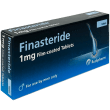
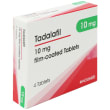

Having erectile dysfunction (ED) can feel tough. It can affect your sex life, knock your confidence, and leave you embarrassed and frustrated. In many men, it also raises new questions, especially when they learn that ED can sometimes be linked to heart health.
If you’re wondering what’s really happening inside your body, understanding how blood flow affects erections can help you see things more clearly. That way, you know how to take the right next steps towards improving your sexual health.
How are erections linked to blood flow?
At its core, an erection relies on healthy blood flow. When you’re sexually stimulated, your brain sends signals through the nerves to the blood vessels in your penis, telling them to dilate (widen) (1). This triggers a series of events:
- Blood rushes into two chambers inside the penis called the corpora cavernosa.
- As the chambers fill, the veins that normally carry blood away are compressed.
- Blood becomes trapped inside the penis, creating and maintaining an erection.
Once arousal ends or ejaculation occurs, the veins reopen and blood flows out, returning the penis to its flaccid resting state. But if blood flow is limited, the penis may not receive enough blood to get or keep an erection in the first place.
Erectile dysfunction medicines improve blood flow
Most prescription ED medicines belong to a group called PDE5 inhibitors (such as sildenafil or tadalafil). These don’t cause erections directly. Instead, they make it easier for your blood vessels to relax, improving blood flow when you’re sexually aroused (1).
They essentially support the body’s natural response. When sexual stimulation happens, PDE5 inhibitors help the blood vessels in the penis widen more effectively so blood can flow freely. But for these medicines to work well, circulation needs to be reasonably healthy to begin with, which is why lifestyle and heart health matter too.
What your erection might be saying about your heart
Because erections depend so heavily on good blood flow, ED can sometimes be one of the earliest signs of cardiovascular issues, particularly in men under 50 (2).
This is because the arteries in the penis are much smaller than those in the heart. So, if your blood vessels are starting to narrow or harden, the effects often show up in your erections before they show up in your chest.
That doesn’t mean every case of ED signals heart disease, but it can indicate that your circulation isn’t at its best. Some of the most common risk factors for reduced blood flow include:
- High blood pressure
- High cholesterol
- Diabetes
- Smoking
- Obesity or a sedentary lifestyle
If your ED is getting worse, it’s a good idea to speak to a doctor. They can check your heart health and assess you for these risk factors, and help you manage any underlying causes.
Not all erectile dysfunction is about blood flow
While blood vessel health plays a big role, not every case of ED comes down to circulation.
Sometimes, the cause is psychological, such as stress, performance anxiety, or depression. Other times, it’s hormonal (such as low testosterone) or linked to nerve damage following an injury, surgery, or conditions like diabetes. If your ED is occasional, you might even just be overtired or have had too much to drink (1).
The key is understanding what’s behind your symptoms. Even when ED isn’t caused by blood flow problems, it’s still highly treatable. Once the cause is identified, there are effective options to help you get back on track.
Supporting blood flow, supporting erections
Lifestyle changes that boost your heart health can also make a real difference to your erections (1). Here are some science-backed habits to naturally support blood flow:
- Get your body moving: Even a brisk walk or taking the stairs more often can get your blood pumping and boost your circulation.
- Eat for your heart: Fill your plate with colourful fruits and veggies, whole grains, and lean proteins. Cutting back on processed foods and saturated fats helps too.
- Keep an eye on your weight: If you’re overweight, losing even a few kilos can help your blood vessels function more smoothly.
- Quit smoking: Smoking narrows your blood vessels and disrupts blood flow, so quitting can be one of the fastest ways to make a dramatic difference.
- Cut back on alcohol: A drink or two every now and then is fine, but too much alcohol can dull nerve signals that are key to getting and maintaining an erection.
- Manage your stress levels: Stress and anxiety can interfere with arousal and worsen ED, even when blood flow is fine. Relaxation techniques or mindfulness can really help.
These changes not only support better erections and improve your heart health, but can also boost your energy, confidence, and general well-being.
When to speak to a doctor
ED is nothing to be embarrassed about, but it’s not something to ignore, either. If it’s happening regularly or getting worse, it’s important to find out why. The sooner you do, the sooner you can get things working properly again.
At Oxford Online Pharmacy, our UK-registered doctors can help you understand what’s behind your symptoms and guide you towards safe, effective treatment options, whether that’s medicine, lifestyle support, or further investigations into your heart health and blood flow.
Explore our ED treatments to learn more about your options.
Explore nowReferences
- NHS. Erectile dysfunction (impotence) [Internet]. nhs.uk. 2019.
- Cortese F, Costantino MF, Luzi G. Can We Consider Erectile Dysfunction as an Early Marker of Cardiovascular Disease? JACC Advances. 2023 Jun 1;2(4):100384–4.