


Starting something new can feel like a big deal, especially when it involves your health. Whether you’ve just ordered a GLP-1 medicine or you’re preparing for your first dose, you might be feeling uncertain, anxious, hopeful, or a mix of all three. That’s completely normal.
Many people feel unsure in their first few weeks on weight management treatment. It can take time to understand how your body responds, how you’ll feel physically and mentally, and what kind of changes to expect. This early uncertainty leads some people to give up on treatment that could truly help improve their health.
While everyone’s weight loss journey is a little different, this guide will walk you through what typically happens in the first month of GLP-1 treatment. It’s here to help you feel informed, confident, and supported in the early stages and beyond.
Week-by-week: What might happen in your first month?
Here’s a general idea of what you might experience during your first four weeks on GLP-1 medications like semaglutide and tirzepatide.
Don’t worry if your journey doesn’t follow this exact timeline. It doesn’t mean you’re doing anything wrong. Weight management simply looks different for everyone. The most important thing is to listen to your body and seek support if you have any concerns.
Week 1: Taking your first dose
While weight management as a whole is deeply individual, week one is often where responses to treatment vary the most. Our bodies all react a little differently to GLP-1 medications, and there’s no “right” way to feel in these early days. You might notice:
- Mild nausea, queasiness, or fatigue, especially in the first few days
- Changes in appetite – maybe you feel fuller sooner, or your hunger patterns feel different
- …or you might not feel much at all. That’s perfectly normal, too.
If you still feel hungry, that’s okay. GLP-1s are designed to reduce appetite and help you feel fuller for longer, but they don’t eliminate hunger altogether (1). It’s normal to feel hungry at mealtimes and be able to eat a medium to large meal. Feeling some hunger is a sign your body still needs energy. It doesn’t mean that the medicine isn’t working.
Week 2: Settling in
By week two, things may start to feel more familiar. Your energy might begin to stabilise, and any changes in appetite could feel easier to navigate. Smaller meals may feel more satisfying, and you may start to notice new rhythms in your eating and sleeping habits.
That said, it’s still very normal to feel unsure at this stage. Your body is adjusting, and you’re learning to tune in. Give yourself grace and trust the process.
Week 3: Tuning into your body
In week three, you might feel more in control of your appetite. Many people notice that their hunger feels steadier and more predictable. You may feel full on less food and better able to respond to hunger cues (remember, hunger around mealtimes is normal) without overeating.
This is also the week when you might feel more motivated to build other healthy habits, such as going for walks, planning balanced meals, or reducing sugary snacks. GLP-1 medications are most effective when paired with lifestyle changes (2), so lean into that momentum if it’s there. Every small choice supports your long-term progress.
Week 4: Time to reflect
By the end of the first month, most people have started to settle into a rhythm and side effects may have started to fade. This makes it a great time to check in and think about next steps.
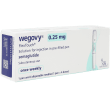
As per prescribing guidelines, everyone starts weight loss injections on a low dose, usually 0.25mg for Wegovy and 2.5mg for Mounjaro (3-4). This gentle introduction is intentional, giving your body time to adjust gently to minimise side effects and ease you in. After four weeks, there’s often the opportunity to increase your dose, but only if it feels right for you.
Here’s what we look for when deciding whether a dose increase might be helpful:
- You’re feeling clearer in your mood, mindset, and energy
- Your appetite is more balanced
- You’re not experiencing uncomfortable side effects
- You feel ready to take the next step
Importantly, not losing weight during the first month doesn’t automatically mean that you need a stronger dose. GLP-1s work gradually, and weight loss takes time. While some people do lose weight during these early stages, others need to persevere with treatment a little longer. Early progress is about more than the number on the scales. It’s about how you feel in your body, mind, and energy.
If you don’t feel ready to increase your dose, no problem at all. We can discuss continuing on that dose for another four weeks, allowing your body more time to adjust. There’s no rush. Everyone responds at their own pace, and consistency is more important than speed.
Common questions and worries
It’s completely normal to have questions in your first few weeks on weight loss injections. Here are some of the most common ones we hear:
“What if I feel sick?”
Mild nausea and sickness are common side effects of GLP-1s, particularly in the first weeks (5).
These improve as your body adjusts to the medication (6). In the meantime, eating slowly, avoiding rich or greasy foods, and staying hydrated can help. Contact our team if you’re at all concerned.
“What if I don’t feel any different?”
That’s absolutely okay. Especially at the lower starting dose, it’s common not to notice major changes straight away. That doesn’t mean the medicine isn’t working. If you haven’t noticed any changes at the end of the first month, we may suggest increasing your dose, but we can help guide that decision.
“How soon will I lose weight?”
Everyone is different, and weight changes don’t happen on a set schedule. Some people see changes early, while others need longer. What matters is staying consistent, and you should continue losing weight over the first year on treatment, depending on your starting weight (6). GLP-1s are a long-term investment, not a quick fix.
“Can I still eat normally?”
Yes, and you should. GLP-1s shouldn’t stop you from eating. The goal is to help regulate your appetite, not suppress it completely. You should still be eating normal meals and feel hungry around these times, but aim for healthy food choices to help support your weight loss progress.
“What if I am not doing it right?”
Don’t think too much about whether you’re doing it “right.” There is no perfect way to do this. Try to tune into your body, eat when you’re hungry, and aim for meals that nourish you and support your weight loss goals. You’ll soon settle into a rhythm that is right for you.
What’s not normal: When to seek help
GLP-1s can cause some side effects, which are typically worse when starting treatment or increasing your dose. This includes things like nausea, vomiting, and fatigue (5). However, the side effects should be mild and short-lived. Contact us if you experience:
- Ongoing vomiting or nausea that affects your ability to eat or drink
- Severe constipation that doesn’t ease with over-the-counter help
- Persistent low mood or changes to your mental health
If anything feels worrying, speak to our team. We are here to help every step of the way.
What support is available?
When you choose treatment with Oxford Online Pharmacy, you’re never on your own. Our UK-based team of pharmacists and independent prescribers is here for you at every stage, offering:
- Personalised support and advice whenever you need it
- Aftercare resources, including emails, Q&As and guides like this one
- A content hub full of practical, trusted information
Weight loss is a journey, not a race. We’re here to support your progress, help you feel confident in your choices, and answer any questions that come up along the way.
References
- Aldawsari M, Almadani FA, Almuhammadi N, Algabsani S, Alamro Y, Aldhwayan M. The Efficacy of GLP-1 Analogues on Appetite Parameters, Gastric Emptying, Food Preference and Taste Among Adults with Obesity: Systematic Review of Randomized Controlled Trials. Diabetes, Metabolic Syndrome and Obesity. 2023 Mar;Volume 16:575–95.
- Wadden TA, Chao AM, Moore MB, Jena Shaw Tronieri, Iwamoto SJ, Amaro A, et al. The Role of Lifestyle Modification with Second-Generation Anti-obesity Medications: Comparisons, Questions, and Clinical Opportunities. Current Obesity Reports. 2023 Dec 2;12(4).
- BNF. Semaglutide [Internet]. NICE. 2023.
- BNF. Tirzepatide [Internet]. NICE. 2023
- Collins L, Costello RA. Glucagon-like peptide-1 receptor agonists [Internet]. PubMed. Treasure Island (FL): StatPearls Publishing; 2024.
- Ghusn W, Hurtado MD. Glucagon-like Receptor-1 agonists for obesity: Weight loss outcomes, tolerability, side effects, and risks. Obesity Pillars. 2024 Dec;12:100127.