

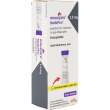

If you’ve heard about the weight loss benefits of Wegovy or Ozempic (Semaglutide) and wonder whether Rybelsus (Semaglutide) tablets might offer an easier alternative to injections, you may be surprised by the answers.
Key facts:
In the UK, Rybelsus isn't officially approved for helping with weight loss – it is only approved to treat type 2 diabetes
At the licensed 14 mg dose, the trials consistently show weight loss in the region of 4–4.5 kg over 26 weeks in people with type 2 diabetes, compared to more than 15% weight loss with injectable alternatives (1)
To be prescribed Rybelsus on the NHS, you’ll need to have been diagnosed with type 2 diabetes as well as meet certain standards for your BMI and blood sugar levels – weight alone won’t qualify you
If buying it privately, costs start at around £78 per month, with new lower-strength tablets (1.5mg, 4mg, 9mg) replacing previous formulations
Licensed weight loss medications typically deliver better results for people who don’t have type 2 diabetes
In this article:
Is Rybelsus approved for weight loss in the UK?
How much weight can you lose with Rybelsus?
Can you get Rybelsus on the NHS and what does it cost privately?
What are the new Rybelsus tablet strengths and side effects?
Should you consider Rybelsus for weight loss?
Frequently asked questions about Rybelsus for weight loss
Is Rybelsus approved for weight loss in the UK?
In the UK, Rybelsus is officially approved by the MHRA only to be used to treat type 2 diabetes, not for weight loss.
The MHRA has given Rybelsus approval to help adults with type 2 diabetes control their blood sugar levels. Because of this, the medication can't be sold or prescribed to you specifically to help with weight loss. In fact, the USA has a similar rule. Even though Rybelsus contains Semaglutide (the same ingredient as other injectable weight loss drugs that are approved), it is not indicated for weight loss on its own.
This impacts how doctors can prescribe Rybelsus and if the NHS will fund it. As it doesn't have a specific green light from NICE for weight loss, Rybelsus isn't included in the usual ways of getting weight loss treatments in the UK. If you want help with losing weight through the NHS, you have to meet certain medical criteria, through programmes that are already in place, or consider other approved treatments.
The difference between treating diabetes and weight management isn't just about what the authorities say, but it also involves weighing up different dosing, having regular check-ups with a prescriber, and making sure all treatments are safe.
What does off-label prescribing mean for Rybelsus and weight loss?
With Rybelsus, doctors in the private sector are within the law to prescribe it for weight loss if they think it’s clinically appropriate for a particular person. The General Medical Council states that doctors making these decisions should be guided by what current research says, what’s best for the patient as an individual, and making sure the patient understands they are taking the medication for a use it hasn't officially been approved for.
However, a lot of doctors who specialise in weight management don't usually choose Rybelsus as a first choice for weight loss. Taking Rybelsus results in only a modest amount of weight loss when you compare it to medications specifically approved for weight loss, costs more, and isn't supported by as much strong research, which makes it a less attractive option for most patients seeking dedicated weight loss treatment.
How much weight can you lose with Rybelsus?
Clinical trials showed an average weight loss of 2.3kg (5 lbs) with Rybelsus 7mg and 4.4kg (9.7 lbs) with 14mg over 26 weeks (1).
However, what happens in the real world gives us a bit more information on what to expect. In a study called ‘PIONEER 1’, people experienced weight loss mostly in line with the clinical trial results. Some patients followed up in longer studies did even better; however, how much weight someone loses very much depends on their starting weight, any lifestyle changes, how good they are at taking the medicine (adherence), and their metabolism. Those with a higher BMI to begin with will generally lose more weight in total, although the percentage loss from their original weight is often about the same.
It’s also important to think about keeping the weight off after stopping the medication, as weight can often come back if lifestyle habits remain the same. So, if you’re thinking of Rybelsus for weight loss you’ll definitely need to plan for the long term.
How does this compare to approved weight loss medications?
If you’re serious about losing weight, there are other licensed weight loss medications that may be more effective than Rybelsus, which usually only leads to a modest loss of 2 to 3.5kg (5 to 8 lbs).
In fact, clinical trials show that other licensed medications designed for weight loss can lead to much more weight loss than Rybelsus, which may only result in a loss of 2 to 3.5kg (5 to 8 lbs).
And it’s not just how much weight is lost, it’s that the results from other weight loss treatments are more reliable and consistent. They work more predictably for lots of different people, have a clearer link between dose and effect, and we have better information about how well they work over the long term. Doctors specialising in weight management wouldn't generally offer Rybelsus as a first choice given that there are more effective approved medicines available.
For patients who specifically prefer taking pills over injectables, Orlistat is the main option approved by the NHS, although it works in a different way from appetite suppressants (it stops your body absorbing fat). The choice between injectable treatments or oral tablets often depends on individual preferences and medical history factors.
Can you get Rybelsus on the NHS and what does it cost privately?
The NHS will only fund Rybelsus for type 2 diabetes, not for help losing weight.
The NHS has rules about who can and can’t be prescribed Rybelsus, following the advice presented to it from NICE. For Rybelsus, you need to have type 2 diabetes and also have to meet certain other criteria. Your blood sugar needs to be poorly controlled even whilst on antidiabetic medication as this indicates the medication isn’t working well, your BMI has to be over 35, and your HbA1c levels need to be outside their target level. Simply wanting to lose weight, without having type 2 diabetes, isn't enough to receive it on the NHS.
Private prescriptions for Rybelsus vary in price depending on where you go, but are generally from around £80 to £120 a month, excluding any prescriber consultation fees. If you’re in England, you have to pay the current standard fee of £9.90 for each item on your prescription, as of April 2024, regardless of the medication’s actual cost. Moreover, most private medical insurance policies won't cover weight loss medications, so nearly everyone must self-fund.
If you’re looking for help with your weight on the NHS, there are other ways. You can be referred to a Tier 2 community programme, to a dietitian, or to specialist weight loss services (for those who meet certain requirements) that may have approved medicines available for weight management.
What are the new Rybelsus tablet strengths and side effects?
The new Rybelsus pills contain smaller doses of the medicine, but work just as well. As the new formulation has been made so that your body can absorb more of the medicine (increased bioavailability), a lower strength tablet delivers the same amount of medicine to your system and the same benefits as the older versions.
The formulation changes made to the pills in 2025 mean the previous doses are being replaced with pills that have a lower dose: 3mg is now 1.5mg, 7mg is now 4mg, and 14mg is now 9mg. The MAH estimates that stocks of the original formulation were depleted around 31st January 2026. This improved absorption means the new tablets are equally effective and people already taking Rybelsus won't need to change their dose. These alterations are due to improvements in how the medicine is made, not because of any issues with the safety of the previous versions.
Most of the common side effects affect the digestive system. Around 30% of people experience nausea, but this is generally in the first 4 to 6 weeks while your body gets used to the medication. Vomiting, diarrhoea, stomach pain and reduced appetite are also common, specifically when you first begin treatment or when your dose is increased. These side effects usually get better with time, although for some people they can continue depending on the way your body reacts.
Taking Rybelsus correctly maximises absorption and minimises side effects. The pills need to be taken on an empty stomach with no more than 120ml of still water and at least 30 minutes before you eat or drink anything or take any other medicines. Given this need for careful timing, most people will find it easiest to take it in the morning.
Serious side effects requiring immediate medical attention include severe abdominal pain (possible pancreatitis), persistent vomiting leading to dehydration, or symptoms of thyroid problems. People with a personal or family history of medullary thyroid cancer or multiple endocrine neoplasia syndrome type 2 shouldn’t take Rybelsus due to potential thyroid C-cell tumour risks identified in animal studies.
Should you consider Rybelsus for weight loss?
Rybelsus may be helpful for some people with diabetes who are also trying to lose weight, but there are now wider options indicated specifically for weight loss that are more well researched.
Evidence from clinical trials shows that Rybelsus works best for people who have type 2 diabetes and also want to lose weight. For these individuals, the medication helps control blood sugar levels, while also leading to some modest weight loss. If you have diabetes and would prefer to take a pill over an injection, Rybelsus might be a good option for you.
However, if you’re aiming to lose weight as your main goal and you don't have diabetes, other approved medications will likely work better. With Rybelsus, people lose on average between 2 to 3.5kg (5 to 8 lbs) of weight, which isn't as much as you’d lose with medicines intended specifically for weight loss. When you look at how much effectiveness you’re getting for your money, the approved weight loss treatments are also better value.
People with type 2 diabetes, a BMI over 27, and medical reasons for not having injections are the patients who will probably benefit most from Rybelsus. If you strongly prefer pills over injections, and understand you'll only lose a moderate amount of weight, it might be a good choice as part of a larger plan to manage your weight.
The consultation process should explore individual medical history, weight management goals, previous treatment experience and lifestyle factors. The prescriber will have to be sure you have type 2 diabetes, check if Rybelsus will interfere with any other medicines you are taking, and have a sensible discussion about what you can expect from taking the treatment. Starting your free consultation allows a qualified medical professional to determine if Rybelsus aligns with your specific health profile and treatment goals.
For most people whose main aim is weight loss, it's a good idea to look at approved weight loss treatments first. That way you can access the treatments that are the most effective and have established safety profiles for weight loss specifically.
Frequently asked questions
How long does it take for Rybelsus to work for weight loss?
Changes in how much you eat are usually felt in the first 2 to 4 weeks, and you’ll typically start to see weight loss around the 4- to 8-week mark after using it regularly. In studies, Rybelsus seems to work best for weight loss around 26 weeks.
Is Rybelsus better than licensed weight management treatments?
No, approved weight loss medications produce much greater weight loss than Rybelsus. In fact, in clinical trials, people on those treatments lost much more weight on average than with Rybelsus (which usually is around 2 to 3.5kg [5 to 8 lbs] over 6 months).
What happens if I stop taking Rybelsus?
You will likely put the weight back on, similar to other medicines for losing weight. Within 6 to 12 months, most people regain much of what they lost, unless they maintain substantial lifestyle changes.
Can I take Rybelsus just for weight loss without diabetes?
While it is legally possible to be prescribed Rybelsus through a private prescription as off-label use, most specialists recommend approved weight loss medications for people without type 2 diabetes due to better effectiveness and a more established safety profile.
Are there any foods I should avoid while taking Rybelsus?
You don't need to cut out any particular foods, but you must take Rybelsus on an empty stomach with a small amount of water, followed by a 30-minute fasting period before eating. At first, high-fat meals may make any nausea worse.
How do I know if Rybelsus is working for me?
You will typically lose between 3 and 5% of your body weight in 12 weeks, and you’ll find you’re not as hungry or don't get as many food cravings. Your prescriber will keep an eye on how you’re getting on and change your treatment if you aren't reaching your goals.
Is it safe to buy Rybelsus online?
Rybelsus should only be purchased from UK-registered pharmacies after a thorough consultation with a prescriber. Unregulated online sources may sell fake medications containing dangerous substances.
What’s the difference between old and new Rybelsus tablets?
The new pills have lower strengths (1.5mg, 4mg, 9mg) but provide the exact same effectiveness as the previous versions (3mg, 7mg, 14mg) through improved formulation and absorption.
References
Aroda VR, Rosenstock J, Terauchi Y, et al. PIONEER 1: Randomized Clinical Trial of the Efficacy and Safety of Oral Semaglutide Monotherapy in Comparison With Placebo in Patients With Type 2 Diabetes. Diabetes Care. 2019;42(9):1724-1732.
Aroda VR, Faurby M, Lophaven S, et al. Efficacy, safety and cardiovascular outcomes of once-daily oral semaglutide in patients with type 2 diabetes: The PIONEER programme. Diabetes Obes Metab. 2020;22 Suppl 1:3-19.
British National Formulary (BNF). Semaglutide drug monograph. National Institute for Health and Care Excellence (NICE).
MHRA Drug Safety Update. Rybelsus formulation transition guidance.
European Medicines Agency. Clinical trial results.