



Erectile dysfunction (ED) is more common than many men realise. Tablets like Sildenafil (Viagra) or Tadalafil are often the first step in treatment, and for many, they work well. But not everyone wants to take medication, and for some, tablets don’t deliver the results they were hoping for.
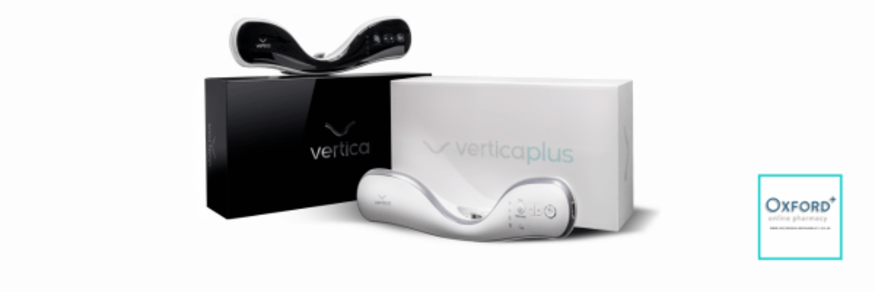
That’s where alternatives like Vertica come in. Vertica is a home-use medical device designed to support stronger erections. But can a device like this really make a difference? Let’s look at how it works, what the evidence says, and what you should know before deciding if it’s right for you.
How does Vertica work?
Vertica works by delivering targeted radiofrequency energy to gently warm the deeper layers of the penile tissue (1). This controlled heating stimulates the production of collagen, a protein that helps maintain firmness and structural support.
Some men with ED have weaker or reduced collagen in the penis. By encouraging new collagen growth in this region, Vertica may strengthen the foundation needed for stronger, more reliable erections. But consistency matters. You’ll need to use the device two to three times a week, for 30 minutes per session, for the best chance of seeing changes over time.
Reassuringly, Vertica is a CE-MDR and MHRA-registered device (2), meaning it meets the UK’s medical device safety and quality standards. That recognition puts it a step above gimmicks or unregulated products. But the key question is: does it actually work? Let’s look at the evidence.
What does the evidence say?
In a pilot study, around 85% of men reported stronger erections after using the device (3). To put that into perspective, Viagra – the “little blue pill” often considered the gold standard ED treatment – has a reported success rate of around 70% to 80%, depending on the study.
On paper, this sounds impressive. But it’s important to note that Vertica’s evidence base is still at an early stage. Unlike ED medicines, which have decades of large-scale clinical trials behind them, Vertica has only been studied in smaller groups so far.
That makes it a promising option, but not one we can call a guaranteed solution.
That said, more than 1,500 men have already used Vertica, and feedback so far suggests it can help some men regain confidence and improve function in the bedroom.
What do users say?
On review sites such as Trustpilot, many men share encouraging feedback:
- “Truly innovative approach. It's a bit of a faff… but it's really worth it. A month in, I've got more confidence in that department than I've had in the best part of a decade.”
- “My experience has been good, maybe not ‘transformative’, but I am certainly seeing improvements now in the strength and duration of erections. At first, the device does feel a bit difficult to use… but once you get used to it, it does become easier, almost like a routine.”
- “My Vertica purchase has been a turning point in my battle against erectile dysfunction. I felt sad and emasculated, and pills did not seem to work for me… Three months in and I have my full erectile capacity back.”
The common themes are clear: most men notice improvements after a few weeks, but using Vertica can take patience, and it does require getting used to. Some find the process a bit fiddly at first, yet many agree it’s worth the effort once it becomes routine.
Of course, no treatment works for everyone, and Vertica is no exception. Individual responses vary. This is normal, and what works well for one person might be less effective for you.
Things to know before buying
Before investing in Vertica, it’s worth weighing up some practical considerations:
- Upfront cost – Vertica costs £1,275, or £1,500 for their Plus version that includes in-app support. For some, this feels like a worthwhile one-off investment. For others, it’s a significant expense compared with prescription medicines.
- Time commitment – With two or three 30-minute sessions every week, Vertical is not as quick and simple as taking an oral ED medication before sex. It requires commitment and takes a little effort to build into your routine.
- Learning curve – As reviews highlight, using Vertica can feel awkward at first. But most men find that there is only a short learning curve as you get used to handling the device. Most say it becomes second nature after a few sessions.
Being aware of these factors upfront can help you decide if Vertica realistically fits your lifestyle. And if you’re not convinced, remember that Vertica is just one option. There are plenty of effective ED treatments available, and Oxford Online Pharmacy can help you explore them.
Other things that may help
Even if you’re considering Vertica, it’s worth remembering that ED often responds best to a combination of approaches.
Alongside devices or medication, you may find benefits from:
- Practising pelvic floor exercises (Kegels) to strengthen the muscles involved in erections.
- Making lifestyle changes, such as improving sleep, reducing stress, exercising regularly, or cutting back on alcohol and smoking, all of which are linked to ED (4).
- Having open conversations with your partner or a healthcare provider, which can relieve pressure around sex and improve intimacy.
Even small steps in these areas can make a noticeable difference, and they work well alongside any medical or device-based treatment.
Should you give Vertica a go?
Vertica isn’t a guaranteed solution, and it won’t suit everyone. But if you prefer to avoid tablets, or simply want to try a different approach, it may be worth exploring. The early evidence is promising, many users report positive changes, and the device is backed by regulatory approval, so we are proud to be one of their expert partners.
If you’re curious, the safest way to buy is directly from the manufacturer, which ensures you’ll receive a genuine product with customer support included.
Explore Vertica and decide whether it feels like the right next step for you
Explore nowReferences
- How to Vertica® - Vertica UK [Internet]. Vertica. 2025.
- Vertica® [Internet]. Vertica®. 2017.
- Clinical Info - Vertica® clinical research [Internet]. Vertica®. 2025.
- NHS. Erectile dysfunction (impotence) [Internet]. NHS. 2019.