





If you’re young and struggling with erections, you might feel like the only one your age dealing with this. It can be worrying, especially if things used to work fine. You might be wondering, “Why is this happening to me? I’m too young for this.” Fear or embarrassment can make it hard to talk to anyone about it. Instead, you wait and hope it goes away.
You’re not alone. Many young men, especially those in their late teens or 20s experience erection issues linked to performance anxiety, porn habits, or stress. It doesn’t mean anything is broken. But if it’s been going on for a while, it’s normal to feel overwhelmed and unsure what to do next.
This guide is for you if:
- You’re secretly worrying this might be permanent
- You’ve been avoiding treatment out of fear or shame
- You keep telling yourself it’ll get better if you wait a bit longer
Let’s explore when erectile dysfunction (ED) can go away naturally, when it might not, and what options you have if you decide to take action.
Can ED go away naturally?
Yes. Many cases of ED in younger men are linked to temporary factors like:
- Anxiety about performance
- Overthinking during sex
- Excessive porn use or unrealistic expectations
- Sleep deprivation, stress, or emotional pressure
- A bad experience that knocked your confidence
Situations like these can cause your nervous system to get caught in a stress loop. Erections work best when you are feeling safe and relaxed. When your brain is in “fight or flight” mode, it can block the signal that tells your body, “Everything’s okay.”
If this sounds familiar, the good news is that ED caused by psychological or lifestyle factors often can resolve on its own. Giving yourself space to relax, cutting back on porn, taking pressure off sexual performance, or waiting out a stressful patch can all help.
But if nothing changes or if anxiety starts to take over, it’s best to seek some support.
When waiting makes sense and when it doesn’t
If the problem only happened once or twice, or you’ve had a rough few weeks, waiting might be the right call. There’s nothing wrong with giving your body a chance to reset, especially if you’re also making positive changes like:
- Sleeping better
- Managing stress
- Cutting back on porn or alcohol
- Talking openly with a partner
If it’s been several weeks or months with no improvement, waiting can start to feel more like hiding. You might be reading forums late at night, comparing yourself to other men, or avoiding situations where intimacy might happen. That kind of stress doesn’t fix the problem. It could even make it worse.
You don’t need to be in crisis before you reach out. Taking action early can break the cycle and help you recover faster.
Why seeking support doesn’t mean you’ve failed
The biggest fear many young men have is that asking for help “makes it real,” or that they’ll be judged. But nothing you’re going through is uncommon. We see this happen to a lot of young men in our service, you just don’t hear people talk about it.
ED isn’t always a medical diagnosis. It’s often a symptom of something you can work through with the right tools and support.
What treatment and support can look like
You don’t need to jump straight to medication. “Treatment” can be as simple as having a conversation, understanding what’s going on in your body, and getting some guidance.
Here’s what getting support might involve:
A chat with your GP or online service
Many GPs are familiar with ED in younger men. You won’t be the first (or last) person to bring it up. If you prefer privacy, many online clinics now offer discreet, text-based consultations.
Our own supportive and discreet consultations can help by listening to your concerns and guiding you towards solutions.
Checking the basics
Simple tests might be used to rule out things like low testosterone, blood pressure issues, or other health markers. In younger men, these are less common causes.
Understanding performance anxiety
Talking therapies like CBT (Cognitive Behavioural Therapy) can help if you feel anxious or stuck in a loop when you think about sex. You don’t have to commit to long-term therapy. Sometimes, a few sessions can be enough to shift the way you see things.
Short-term medication
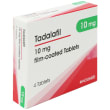
If confidence is your main issue, a short-acting ED medication (like Sildenafil) can act as a temporary backup. It’s not a cure, but it can break the fear cycle and help you relearn that things can work when you feel safe and relaxed.
This kind of support doesn’t mean you’re stuck with ED forever. It just gives your system a helping hand while your confidence rebuilds.
You’re not the only one going through this
It might feel like everyone else your age is fine, but that’s not reality. Many young men experience erection issues, even if they never talk about it.
It could be the stress of a new relationship. Having unrealistic expectations of sex from porn. Worries about not being “good enough.” Or just getting in your head at the wrong moment.
Summary
If you’ve been hoping things will go back to normal on their own, that’s okay. For some people, they do.
But if it’s not improving, or if it’s starting to affect your confidence and relationships, then you deserve more than just waiting and worrying.
Getting help doesn’t lock you into a diagnosis. It opens doors. You can take small steps, try things at your own pace, and find what works for you.