


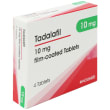
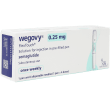
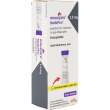

Weight loss injections have become an increasingly talked-about option for people who have struggled to lose weight through diet and exercise alone. These treatments aren’t a quick fix, but when prescribed appropriately and supported with lifestyle changes, they may help some people reach their health goals.
One of the most commonly prescribed types of weight loss injection is a group of medicines known as GLP-1 receptor agonists. In this article, we’ll explain how these medicines work, who they may be suitable for, and what you might expect if they’re prescribed as part of your treatment plan.
What are GLP-1 receptor agonists?
GLP-1 stands for glucagon-like peptide-1, a natural hormone produced in the gut. It plays a key role in regulating blood sugar levels, appetite, and digestion.
GLP-1 receptor agonists are medicines that mimic this hormone. They work by:
Increasing feelings of fullness
Reducing appetite and food cravings
Slowing the movement of food through the stomach
Supporting blood sugar control
Some medicines, such as Tirzepatide (Mounjaro), also act on a second hormone pathway known as GIP. Together, these effects can help people eat less and feel satisfied with smaller portions (1).
How do they support weight loss?
GLP-1 receptor agonists are designed to work alongside diet and lifestyle changes. They don’t cause weight loss on their own, but they may make it easier to:
Control portion sizes
Reduce snacking or emotional eating
Stick to a reduced-calorie eating plan over time
These medicines also help prevent blood sugar spikes after meals, which may reduce insulin resistance and fat storage in people with type 2 diabetes or prediabetes.
Clinical trials have shown that GLP-1 receptor agonists can lead to significant weight loss in some people when used as part of a longer-term treatment plan. Results vary from person to person (2).
How are weight loss injections taken?
GLP-1 medicines are usually taken as a weekly injection under the skin. If you’re prescribed a treatment like Mounjaro, you’ll be shown how to use the injection pen yourself.
The dose is often increased gradually over the first few weeks. This helps your body adjust and may reduce the chance of side effects.
What are the side effects?
Like all medicines, weight loss injections can cause side effects. The most common include:
Nausea
Diarrhoea
Constipation
Indigestion
These may affect more than 1 in every 10 people who use this type of medicine (3).
Less common side effects include tiredness, reduced appetite, or injection site reactions. Serious side effects are rare but can happen. You’ll find a full list in the patient information leaflet, and your prescribing team will talk you through any risks.
Is this treatment suitable for everyone?
Weight loss injections like Mounjaro are not suitable for everyone. They are prescription-only medicines and should only be used under the supervision of a qualified healthcare professional.
These treatments may be offered to people with obesity or certain weight-related health conditions, such as type 2 diabetes, when other options haven’t worked well enough on their own.
Considering treatment?
If you’re exploring your options, Oxford Online Pharmacy offers safe, confidential access to weight management treatments through our online consultation service. Your responses will be reviewed by an independent UK doctor, and if a prescription is appropriate, it will be dispensed by our pharmacist-led team.
You can learn more about GLP-1 medicines and other treatments on our weight management page.
References:
Eisenstein C. Dosage for Mounjaro: What You Need to Know [Internet]. Healthline. Healthline Media; 2022.
Niewijk G. Research shows GLP-1 receptor agonist drugs are effective but come with complex concerns [Internet]. UChicago Medicine; 2024.
Mounjaro Patient Information Leaflet. Electronic Medicines Compendium (eMC).