





You might not be balding, but you’ve spotted unwelcome changes to your hair. Maybe there’s a little more hair in the shower drain, or perhaps your hairline isn’t quite what it used to be. Whatever signs you noticed first, realising your hair is thinning can be worrying.
It’s natural to wonder whether you’re overreacting or if now is the time to act. And the truth is, timing matters. Treatments for male pattern baldness tend to work best when follicles are still active, which is why starting early can often make a real difference.
But taking that first step is always a personal decision, and there’s no single “right” answer. Here we walk you through what we know about timing to help guide your decision.
The key points
- Early treatment can help protect existing hair and improve thickness over time.
- Evidence shows medicines are most effective when follicles are still active, which is usually in the early stages of hair loss.
- Starting hair loss treatment is always a personal choice. Some men prefer to monitor changes first, and that’s valid too.
- Minoxidil and Finasteride are the two most trusted, clinically proven options for male pattern baldness that can be started as soon as you notice the initial signs.
- Timing matters, but so does consistency. Whichever treatment you choose, results build gradually and require long-term, daily use.
What counts as “early-stage” hair loss?
Early hair loss is, as the name suggests, the first stage of hair thinning. For most men, hair loss starts subtly. You might notice a bit more hair in the shower drain or on your pillow, a hairline that looks like it’s edging back, or thinning at the crown when the light hits.
These early changes are often the first visible signs that DHT, a hormone linked to male pattern baldness, is starting to shrink the follicles. In this early-stage, follicles are still alive and producing strands, but the hairs become finer and weaker. But male pattern baldness is a progressive condition: without treatment, hair loss worsens slowly over time (1).
That’s why doctors often encourage men who notice consistent changes to consider their options sooner rather than later. You’re not overreacting. You’re being proactive.
What does the evidence say about timing treatment?
The earlier treatment begins, the better the results tend to be (2). This is because medicines like Minoxidil and Finasteride don’t create new hair follicles. Instead, they work with what’s there already.
When follicles are still active, treatment can help them produce stronger, thicker hair. But if the follicles have shrunk and been dormant for years, the damage cannot be reversed. It helps to think of these treatments as good protective measures that stop hair loss from worsening, rather than a cure.
As male pattern baldness is a progressive condition, the longer you wait, the more damage there is to correct. So, if you’ve already spotted the initial signs, early treatment can potentially help improve the outcome. Starting later will still help most men, it can stabilise further loss and often improve density, but it can’t restore a full head of hair.
That’s why we recommend not waiting until hair loss is advanced before considering your options.
Why can treating early be more effective?
Early treatment helps protect your hair for the long term by:
- Preserving what you already have – Medicines like Minoxidil and Finasteride help stop follicles from shrinking further, so you can hold on to your existing hair.
- Getting the strongest results – When more follicles are still alive, treatment can usually deliver thicker, healthier regrowth.
- Building momentum – Hair grows in cycles, so results take months to appear. Starting sooner gives you more time to strengthen growth before loss progresses further.
Are there downsides to starting too soon?
There’s no benefit in starting before symptoms appear, and hair loss treatment is a daily commitment. Not everyone feels ready for that straight away, especially if the changes are very mild.
Some people prefer to wait and monitor changes to their hair and how it affects their confidence, and that’s completely valid. In these cases, topical
Minoxidil can sometimes feel like a gentler first step, as it’s widely available, well-studied, and side effects are generally mild (but as with any medicine, they can happen).
That’s why it’s so important to speak with a clinician before you begin. They’ll help you make sure you’re ready to start treatment and make you aware of any side effects you should know about.
What treatments are available and when should they be considered?
The two evidence-backed hair loss treatments licensed in the UK are:
- Minoxidil — helps prolong the hair growth phase and strengthen follicles. It’s available as a topical foam or solution, and can be used by men and women. Minoxidil tablets also exist (the same drug in pill form), but taking them for hair loss is off-label, though many men do.
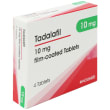
- Finasteride — a daily tablet for men that lowers the levels of DHT, the hormone responsible for follicle shrinkage in male pattern baldness. It can only be taken by men and should be avoided if you’re trying to conceive (3)
Many men use both Finasteride and Minoxidil together, as they work in complementary ways. But whichever option you choose, a consistent treatment regime is vital. Results usually start to show after 3 to 6 months, with continued improvements over the course of a year (4).
Importantly, treatment needs to be ongoing. Once you stop, hair loss typically resumes. So, while timing does impact your results, you’ll need to stay consistent to maintain progress. Some men prefer to wait until they’re ready for that routine, and that’s perfectly reasonable. It’s about finding the right balance for you.
What do the experts recommend?
At Oxford Online Pharmacy, we usually suggest considering treatment once visible signs of hair loss appear. Starting early can mean better long-term results. But if you’re not ready to commit, that’s okay. The medicines are likely to work if you start later; they just may not be quite as effective.
Ultimately, it’s about making an informed decision that suits you. Whether you choose to act now or monitor things for a while, you have options — and we’re here to guide you through them and help you decide when the time feels right
Take a look at our hair loss treatments here or start your online consultation if you’re ready to start exploring your options.
Want to know what treatment involves? Here’s what to expect.
Let's goReferences
- British Association of Dermatologists. Hair loss male pattern (androgenetic alopecia) [Internet]. Bad.org.uk. 2024.
- York K, Meah N, Bhoyrul B, Sinclair R. A review of the treatment of male pattern hair loss. Expert Opinion on Pharmacotherapy. 2020 Feb 17;21(5):603–12.
- NHS. Who can and cannot take Finasteride [Internet]. nhs.uk. 2023.
- NICE. Topical Minoxidil | Prescribing information | Male pattern hair loss (male androgenetic alopecia) [Internet]. NICE. 2025.