



The key points
- ED medications can become less effective due to changes in health, lifestyle, stress levels, or timing.
- Psychological factors like anxiety, relationship changes, or life stress commonly affect how your body responds to your medicine.
- Simple adjustments to timing, dosage, or lifestyle can often help regain effectiveness.
- Speaking with your prescriber or pharmacy team is the best first step to getting back on track.
It can be frustrating when your ED medication has worked brilliantly for months, maybe even years, and then suddenly it doesn't seem to work as well.
Does this mean there’s something wrong with your health? Has your body become resistant? Are you doing something differently?
First things first, you're not imagining things, and you're not alone. Changes in how well ED medication works are common and usually have clear reasons why.
How ED medicines work in the first place
Understanding why your medication might be working differently starts with knowing how these treatments work in the first place.
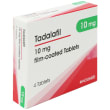
ED medications like Sildenafil and Tadalafil work by improving blood flow to the penis when you're sexually aroused. They don't create erections on their own; they simply make it easier for your body to respond to natural arousal.
This process depends on several factors working together: your cardiovascular (heart) health, hormone levels, nervous system function, and psychological influences. When any of these elements change, it can affect how well your medication works, even if you're taking exactly the same dose in exactly the same way.
Your body isn't a machine, and there are countless factors that can affect one area of your health, which can then influence your sexual response and how you react to treatment.
Common reasons medications stop working
There can be many reasons why medications stop working. There might be one or a combination working together. However, the following are the most common reasons why your ED medication might stop working:
Psychological factors
Life changes, stress, and anxiety are among the most common culprits when ED medication becomes less effective. Mental health conditions, such as anxiety, depression, and chronic stress can significantly impact how well your treatment works.
Starting a new relationship, work pressures, loss of a loved one, financial worries, or even positive changes like moving house can all affect how your body responds to arousal. Your medication is still working the same way, but your body and mind might not be responding as they usually would.
Timing and lifestyle issues
Sometimes the issue isn't with the medication itself, but with how or when you're taking it. Heavy meals, particularly those high in fat, can affect how quickly your medication is absorbed into your blood. If you've been taking your tablets after large dinners, this might explain why they seem less effective.
Alcohol intake can also interfere with your medication. While an occasional drink usually isn't an issue, regular heavy drinking or having several drinks before sexual activity can reduce how well your treatment works.
Dosing considerations
Your original dose might no longer be right for your current situation. Bodies change over time, and what worked perfectly six months ago might need adjustment now. This doesn't necessarily mean your condition is worsening – it might mean your treatment needs fine-tuning.
Less common but important causes
Though mental health, timing, and dosage tend to be the most common causes for why your ED medication no longer becomes effective. However, it is important to consider other, less common causes for reduced medication effectiveness. These are:
- Health Changes: Underlying health conditions that can affect ED include diabetes, cardiovascular disease, depression, smoking, and a sedentary lifestyle. If any of these conditions have developed or worsened since you started treatment, they could be affecting your medication.
- New Medications: Medications for high blood pressure, particularly thiazides and beta blockers, and antidepressants and other mental health treatments, may also affect sexual function.
- Hormonal Changes: Testosterone levels naturally fluctuate and can decline gradually with age or due to stress, poor sleep, or health conditions. Lower testosterone doesn't necessarily cause ED, but it can affect your libido and sexual response, making your medication seem less effective even when it's working normally.
What you can do about it
Understanding what might be the cause of your ED medication not working as well is the first step to getting yourself and treatment back on track. Here are some tips to get you started:
Review your routine
Start by asking yourself what might have changed since your medication was working well. Are you taking it at different times? Eating differently beforehand? Drinking more alcohol? Feeling more stressed?
Finding changes in your life that could be the cause and experimenting with them might be enough to help. For instance, if you regularly eat a heavy meal before you take your medication, try moving your biggest meal to the middle of the day.
Address underlying stress
If you’re thinking anxiety or stress might be adding to the problem, addressing these emotional issues can be incredibly helpful. This might involve talking to someone about what's causing you stress, making lifestyle changes to reduce pressure, or simply acknowledging that it's normal for sexual response to fluctuate.
Remember that even temporary stress can affect how well your medication works. Make sure you’re patient with yourself as you work through stressful situations.
Why talking to your pharmacy team is a great first step
When your ED medication isn't working as well as it used to, it's normal to try to fix the problem yourself, and it can definitely help. However, if you are struggling to find the solution or believe the issue is with the medication dosage or type, speaking with us is the most effective first step.
Our clinical team can help you find what might have changed and suggest appropriate adjustments. This might involve changing your dose, trying a different medication, or addressing other factors that could be affecting your response to your treatment.
They've seen this situation many times before and understand exactly what you're going through. There's no need to feel embarrassed about discussing changes in your medication's effectiveness – it's a normal part of managing any health condition.
When to consider switching treatments
Sometimes a different medication or approach might be more suitable for your current situation. If you've been using Sildenafil, Tadalafil might work better for your lifestyle or vice versa. The longer duration of Tadalafil, for example, can reduce performance pressure and timing concerns.
If you're considering trying a different ED medication, it's important to wait appropriately between treatments. If you've been using Tadalafil, you should wait 36 hours from your last dose before trying Sildenafil or other treatments to avoid any interactions.
Your prescriber can guide you through this process safely and help you find the most suitable option for your current circumstances.
When to seek further support
While changes in medication effectiveness often have a straightforward explanation, sometimes they can point towards something that needs support. If simple adjustments don't help restore your medication's effectiveness, it might be worth exploring other options.
This could include speaking with your GP about underlying health conditions, seeking counselling or therapy if you believe your mental health is a factor, or exploring complementary treatments.
References
- Healthline (2024). Viagra Not Working Anymore? Tips and Other Options for ED.
- NHS (2024). Erectile dysfunction (impotence).
- Hackett, G., Kell, P., Ralph, D., Dean, J., Price, D., Speakman, M., Wylie, K. and Fryer, C. (2008). British Society for Sexual Medicine guidelines on the management of erectile dysfunction. Journal of Sexual Medicine, 5(8), pp.1841-1865.