




The Key Points
- Hair loss often affects emotional well-being more than expected.
- It’s not vanity, hair is linked to identity, confidence, and control.
- Feeling upset, anxious or withdrawn is common and valid.
- Psychological responses vary, but distress can impact daily life and relationships.
- Support helps: Treatments, therapy, and lifestyle care can all play a role.
- There’s no shame in asking for help, emotional health matters too.
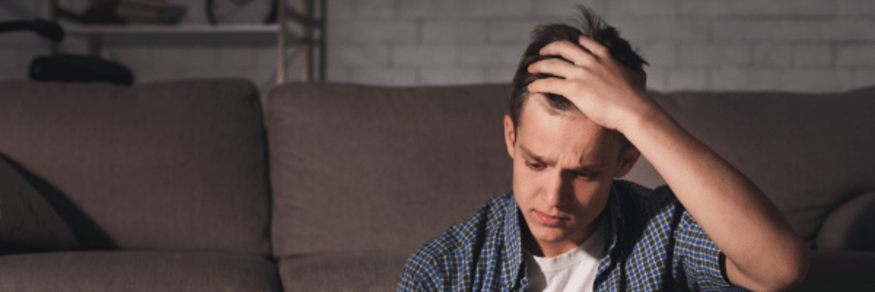
Hair loss is often spoken about in physical terms: thinning at the crown, a receding hairline, more strands of hair left behind in the shower. But what is less discussed yet equally important is how hair loss affects your emotional well-being.
If you’ve recently noticed changes in your hair and found yourself feeling low, anxious, or even depressed, you’re not alone. The emotional side of hair loss can hit hard and be surprisingly intense, especially when it feels like something so visible is slipping out of your control.
Why hair loss affects more than just your hair
It might seem like “just hair” to someone else, but hair loss can carry a real emotional weight.
Hair is tied up with identity. For many of us, it’s part of how we present ourselves to the world. It’s linked to confidence, youth, attractiveness, and even masculinity. So when it starts to go, it can feel like you’re losing more than just strands. You’re losing a part of yourself.
Noticing your hairline creeping back in photos, seeing more scalp than usual in the mirror, and that sudden realisation you’re losing your hair can come with a wave of emotions: worry, embarrassment, frustration, fear. You might feel like you're ageing before your time or feel anxious about how others will see you.
It’s not just you. Many people feel this way
Feeling upset, self-conscious, or even ashamed about hair loss can feel isolating. You may wonder if you’re overreacting or being vain. But these reactions aren’t silly or superficial. They’re very real and incredibly common, and many people struggle emotionally.
We often see some level of distress in patients who come to us for hair loss treatments, ranging from mild to severe. Research backs this up too, with studies linking hair loss to increased anxiety and depression, withdrawal, and even suicidal tendencies (1-2). Some people avoid dating or social events, while others notice a knock to their motivation and mental well-being.
That said, everyone’s experience is different. Some people come to terms with it quickly. Others take longer. There’s no ‘right’ timeline, and no shame in finding it hard to adjust.
How mental health impacts can vary
There’s no single emotional response to hair loss. How much it affects you and in what way can depend on lots of factors, including:
- The extent or speed of your hair loss
- Your personality and coping style
- Cultural or personal ideas about appearance, beauty, and ageing
- Whether it’s linked to a medical condition or sudden stress
For some people, especially those dealing with rapid or unexpected hair loss (like from alopecia areata or stress-related shedding), the experience can feel like a kind of grief. For others, it leads to issues with body image, self-esteem, or social confidence.
There’s no one “right” way to feel. But it’s worth paying attention to how it’s affecting your daily life. You might notice yourself withdrawing more, avoiding mirrors, skipping social plans, or feeling low more often than usual. You might even find your lack of confidence is straining your personal and professional relationships or affecting your general quality of life (3).
If you’re feeling overwhelmed, know that this isn’t something you have to go through alone. There are ways to cope and feel more in control.
What helps: Practical steps and support options
There is no magic switch to turn off the emotional toll of hair loss. But there are things that can help you feel more supported and more like yourself again:
- Know that you have options: Hair loss treatments like Finasteride and Minoxidil are approved for male pattern baldness and used by millions. They won’t instantly change how you feel, but they can help you take back some control over your hair and your confidence.
- Talk about it: Bottling things up can make them feel bigger. Opening up to a friend, partner, therapist, or GP can be a huge relief. If you don’t feel like you have someone to talk to, organisations like Mind or NHS Every Mind Matters offer free resources and helplines.
- Take care of your wider well-being: When you’re stressed about your appearance, it’s easy to neglect the basics. Try to stay active, eat well, and get enough sleep. These things won’t fix everything, but they can help protect your mental health while you work through things.
- Be kind to yourself: You’re allowed to find this hard. Try to challenge negative self-talk and remind yourself that your worth is not defined by your hair. You’re still you. You’re still valuable, attractive, and deserving of care and confidence.
When to seek extra help and support
If hair loss is seriously affecting your mood, making it hard to enjoy things, connect with others, or get through your day, it might be time to speak to a GP or mental health professional. They can help you understand what’s going on and support you in finding the right path forward.
Support might involve talking therapy, lifestyle changes, or other tools to help you cope. You could also check in with organisations like Mind or find a support group near you on the Alopecia UK website. There’s absolutely no shame in reaching out, and getting help is a strength, not a weakness.
We’re also here if you need us. At Oxford Online Pharmacy, we know hair loss is personal and often emotional. If you’d like to talk about your treatment options or just need a little support along the way, our friendly team of UK-based doctors and pharmacists are here to listen.
You don’t have to go through this alone. And you don’t have to pretend it doesn’t matter. It’s okay to care, and it’s okay to ask for help.
Learn more about Finasteride and whether it really should be taken forever
Let's goReferences
- Macbeth AE, Holmes S, Harries M, Chiu WS, Tziotzios C, de Lusignan S, et al. The associated burden of mental health conditions in alopecia areata: a population‐based study in UK primary care. British Journal of Dermatology. 2022 May 11;187(1):73–81.
- Dhami L. Psychology of Hair Loss Patients and Importance of Counseling. Indian Journal of Plastic Surgery: Official Publication of the Association of Plastic Surgeons of India [Internet]. 2021 Dec 31;54(4):411–5.
- Aukerman EL, Jafferany M. The psychological consequences of androgenetic alopecia: A systematic review. Journal of Cosmetic Dermatology. 2022 Apr 25;22(1).