



The key points
- Shedding and temporary thinning are common in the first weeks of Finasteride or Minoxidil treatment.
- It’s part of resetting your hair growth cycle, not a sign of failure.
- Shedding usually settles within weeks, with visible regrowth around 3–6 months.
- Stay consistent, avoid comparing progress, and check in if you’re worried.
- Our doctors and pharmacists are here to support you along the way.
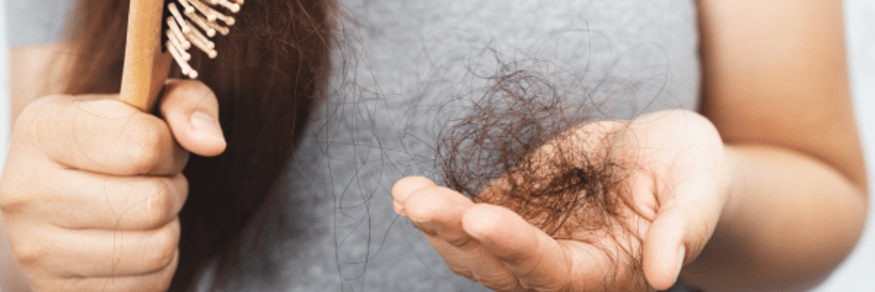
Noticing more hair coming out since starting hair loss treatment like Finasteride or Minoxidil? Shedding and thinning can feel worrying, especially when you were hoping to stop hair loss, not see more of it.
Before you panic, you’ll be pleased to hear that what you’re experiencing is usually normal. Many people experience more shedding or feel like their hair looks thinner during the first few weeks of treatment. That doesn’t mean it’s not working. In fact, it’s often a sign that it is.
Let’s break down what’s happening, why it’s expected, and when to check in with a professional.
Why your hair might look worse before it gets better
When you first start a treatment like Finasteride or Minoxidil, it can kickstart changes in your hair cycle. As your body adjusts, you might notice increased hair fall or what looks like thinning (1).
This can feel really disheartening, but it’s a temporary part of the process. Your hair isn’t being damaged by the treatment, and you’re not doing anything wrong. This initial shedding is simply clearing out older, weaker strands to make way for healthier, stronger hair. With time, the shedding should slow, and regrowth should take its place.
Being mentally prepared for this stage can make a big difference to how you feel throughout your treatment journey. Shedding is an expected side effect, and being aware of this early on makes it easier to stick to your routine and avoid unnecessary worry.
Shedding vs. thinning: What’s actually going on?
These two terms are often used interchangeably, but they mean different things. Understanding the difference can help you stay calm and confident as your treatment progresses.
- What is hair shedding?
Hair shedding is when individual hairs fall out from the scalp. Shedding is a natural process, and everyone sheds around 50 to 100 hairs a day (2). But that number can increase when starting hair loss treatment. You might notice more in the shower, on your pillow, or in your hands after styling. This is often referred to as the “dread shed.”
- What is hair thinning?
Hair thinning is when the fullness of your hair decreases. This might happen due to male pattern baldness, but in the early stages of treatment, hair can look thinner simply because you’re shedding more. It’s not that the treatment is causing long-term damage; it’s just part of resetting the growth cycle.
In other words, shedding is about what’s falling out, whereas thinning is about how your hair looks while that’s happening. Both can be normal, expected parts of early treatment, and neither necessarily means your hair loss treatment isn’t working.
Why does shedding happen at the start of treatment?
To understand why shedding and thinning often happen, it helps to know a bit about your hair’s natural cycle. Every hair on your head is in one of three phases:
- Anagen – the growth phase
- Catagen – the transitional phase
- Telogen – the resting (and shedding) phase
In male pattern baldness, higher levels of a hormone called DHT shorten the anagen phase (3). This means hairs spend less time growing and more time shedding, which leads to gradual thinning.
When you start a treatment like Minoxidil or Finasteride, it works by disrupting this process to promote a healthier growth cycle with a longer anagen phase. How? It pushes hairs out of the resting phase and into active growth, which means some of the old hairs are shed to make room. It may seem alarming at first, but it’s a short-term trade-off for long-term growth benefits.
How long does it last – and when should I worry?
Shedding typically begins within the first 2 to 6 weeks of treatment (1), and your hair may appear even thinner. But if you stay consistent, it won’t be long before this shedding stops and your hair starts to thicken. For most people, the early signs of regrowth first become visible between 3 and 6 months (4).
And these improvements only continue over time. With daily use of Minoxidil or Finasteride, hair becomes noticeably thicker, stronger, and healthier, with full results usually seen around the one-year mark (5).
However, everyone’s timeline is different, so try not to compare your progress to others. Keep going, even if things initially look worse, and reassess after a few months.
That said, if shedding feels excessive, is making you anxious, or lasts longer than a few weeks, don’t hesitate to get in touch with a healthcare professional. Hair loss treatments don’t work for everyone. Sometimes, what appears to be treatment-related shedding may be due to another issue, and a proper assessment can help you feel more in control.
Worried? Let’s talk
Hair loss treatment is a journey, and it’s completely normal to feel unsure along the way. If you’re noticing more shedding or feel like your hair looks thinner since starting treatment, know that you’re not alone, and you’re not doing anything wrong. The ups and downs, including shedding and thinning, are often part of the process.
What about after the shedding? Let us tell you about when you should start seeing results
Read MoreIf you’re ever unsure about what’s happening or need further reassurance throughout your journey, you can reach out to our team of doctors and pharmacists at any time by emailing info@oxfordop.co.uk. There’s no need to worry in silence.
References
- NICE. Topical Minoxidil [Internet]. NICE. 2025.
- NHS Choices. Hair loss [Internet]. NHS. 2019.
- NICE. Male pattern hair loss (male androgenic alopecia) [Internet]. NICE. 2022
- NHS. Common questions about Finasteride [Internet]. NHS. 2023.
- Nestor MS, Ablon G, Gade A, Han H, Fischer DL. Treatment options for androgenetic alopecia: Efficacy, side effects, compliance, financial considerations, and ethics. Journal of Cosmetic Dermatology. 2021 Nov 6;20(12).