


The key points are:
Hair loss treatments like Finasteride and Minoxidil take 3 to 6 months before visible improvements appear.
Full results typically require 9 to 12 months of consistent daily use.
Initial shedding is normal and shows the treatment is working—old hairs fall out to make way for stronger growth.
Combining Finasteride and Minoxidil may improve results, but won't speed up the timeline due to natural hair growth cycles.
Clinically proven treatments like Finasteride tablets and Minoxidil can help slow hair loss and may encourage regrowth, especially when started early (1). But just like growing hair itself, changes don’t happen overnight, even with the best treatment. So, when will you see results?
Here, we explain when you can realistically expect to see visible changes to your hair and why, when it comes to hair loss treatments, patience really does pay off.
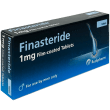
How long does Finasteride take to work?
Finasteride works by lowering levels of dihydrotestosterone (DHT), a hormone that causes hair follicles to weaken and shrink (2). Men with male pattern baldness tend to have higher levels of DHT. Reducing levels of this hormone helps protect the follicles and prevent hair loss.
Finasteride starts to lower the levels of DHT from the first dose, but you won’t see instant results. Below is a more realistic timeline for Finasteride:
From 3 to 6 months: Most people start to see visible improvements after around 3 to 6 months of daily use, with hair looking noticeably thicker and healthier.
Up to 12 months: Depending on your hair thickness and the stage of your condition, full results often take up to a year of continued use.
Consistency also matters. Missing doses or stopping treatment allows DHT levels to rise again, which will likely undo the progress you've made (3).
When will I see results from Minoxidil?
Minoxidil (best known by its brand name Regaine) doesn’t block DHT. Instead, it increases blood flow to the scalp, delivering more nutrients and oxygen to hair follicles to thicken and strengthen hairs and encourage growth (4).
Despite working differently to Finasteride, the timeline for Minoxidil is similar.
From 3 to 6 months: Results start to appear after 3 to 6 months of daily use. According to studies, four months of consistent daily use is when most users see results (5).
From 6 to 12 months: It may take 6 to 12 months of ongoing treatment for results to be fully visible (6).
As with Finasteride, consistency is also key. Whether using oral or topical Minoxidil, you’ll need to keep up a daily routine to maintain your progress, and stopping treatment will cause new hair growth to shed again.
Why does it take so long to see results?
Hair growth is a slow, natural process that happens in cycles, not continuously. This natural rhythm affects how fast you’ll notice changes with treatment.
There are three main stages in the hair growth cycle:
Anagen (growth): Hair actively grows from the follicle during the anagen phase. For the hairs on your head, this growth phase lasts 2 to 8 years (7).
Catagen (transition): This phase lasts around two weeks, during which hair growth slows, the follicle shrinks, and old hairs separate from the follicle (7).
Telogen (resting): Hair stops growing, and new hairs start to form in the follicles. Eventually, the old hair sheds to make way for new growth (7).
In male pattern baldness, high levels of DHT shorten the anagen stage, leading to thinner, weaker hairs that shed more quickly than normal. Finasteride and Minoxidil work by supporting follicles back into a longer, healthier growth cycle.
But it takes time for shedding hairs to be replaced by new, stronger ones. That’s why most people need to wait at least several months to see visible changes.
What about using Finasteride and Minoxidil together?
Since both Finasteride and Minoxidil work in different ways—Finasteride lowers DHT levels while Minoxidil improves blood flow to the scalp—they can also be safely used together (8). In fact, combining the two may deliver even better results, with 92.4% of men reporting improvements after a year of using both treatments simultaneously (9).
However, as the timeline for both drugs is limited by the hair growth cycle, using Finasteride and Minoxidil together doesn’t mean you’ll see results faster. It still typically takes 3 to 6 months to notice visible improvements, and 9 to 12 months to see the full benefits. Patience, consistency, and sticking to your treatment plan are the goals here.
Is my hair loss treatment working?
If you’re not seeing much progress right away, don’t panic. Everyone’s hair growth journey is different. Some men with male pattern baldness see improvements in hair thickness and texture relatively quickly. For others, results take longer and may be harder to spot at first.
One of the earliest signs your treatment is working might actually look like the opposite: increased shedding (10-11). This can feel alarming, but it’s normal. Treatments like Finasteride and Minoxidil push hair follicles into the anagen phase. As they reset, old hairs fall out so that better-quality hairs can take their place. This is temporary and settles down as new growth takes over.
So, while not every treatment works for everyone, most men will see improvements with consistent use. The key is patience. Stick with your routine and reassess after a few months to see how your hair is responding.
Hair loss treatment timeline: What can you expect?
Month 1: You’re unlikely to see any visible improvements at this stage. In fact, you may notice increased hair shedding as the follicles make way for new hairs to grow. However, rest assured that Finasteride and Minoxidil are working away below the surface.
Months 2 to 3: Shedding should slow down, and you may notice your hair is slightly thicker and healthier. However, visible changes are subtle and hard to spot for most people. It’s important not to be disheartened and to keep up with your treatment.
Months 3 to 6: Once you hit the three-month mark, you may start to see the first real signs of improvement. You might notice less hair falling out in the shower or on your pillow, and some areas of your scalp might start to look fuller and thicker.
Months 6 to 12: After six months of treatment, most men report improvements in hair density, thickness, and coverage. But even though your hair loss has started to slow, it’s important to continue with your medication to keep seeing improvements.
One year and beyond: By one year, “final” results should be visible—this is probably how good your hair will get with treatment. If you’re happy with the results, continuing to take Finasteride or Minoxidil long-term will help maintain them.
Stay on track with Oxford Online Pharmacy
At Oxford Online Pharmacy, we understand how important treating hair loss for those experiencing it. It can be a time of hope and worry. . That’s why we offer regulated treatments like Finasteride and Minoxidil throughur easy-to-use online service. This process allows you to consult with expert doctors who will review your symptoms and medical history before prescribing anything. If treatment is suitable, you’ll receive a personalised plan and have your medication delivered straight to your door. This makes it simpler than ever to stay consistent and get the best results from your treatment.
Explore our range of hair loss treatments.
References
York K, Meah N, Bhoyrul B, Sinclair R. A review of the treatment of male pattern hair loss. Expert Opinion on Pharmacotherapy. 2020 Feb 17;21(5):603–12.
Zito PM, Bistas KG, Syed K. Finasteride [Internet]. PubMed. Treasure Island (FL): StatPearls Publishing; 2022.
British Association of Dermatologists. Hair loss male pattern (androgenetic alopecia) [Internet]. www.bad.org.uk. 2024.
Kozicka K, Łukasik A, Pastuszczak M, Dyduch G, Kłosowicz A, Wojas-Pelc A. Scalp vascularization as a marker of topical Minoxidil treatment efficacy in patients with androgenetic alopecia. Advances in Dermatology and Allergology. 2021;
Badri T, Nessel TA, Kumar D D. Minoxidil [Internet]. PubMed. Treasure Island (FL): StatPearls Publishing; 2020.
Nestor MS, Ablon G, Gade A, Han H, Fischer DL. Treatment options for androgenetic alopecia: Efficacy, side effects, compliance, financial considerations, and ethics. Journal of Cosmetic Dermatology. 2021 Nov 6;20(12).
Natarelli N, Gahoonia N, Sivamani RK. Integrative and Mechanistic Approach to the Hair Growth Cycle and Hair Loss. Journal of Clinical Medicine. 2023 Jan 23;12(3):893.
Chen L, Zhang J, Wang L, Wang H, Chen B. The Efficacy and Safety of Finasteride Combined with Topical Minoxidil for Androgenetic Alopecia: A Systematic Review and Meta-analysis. Aesthetic Plastic Surgery. 2020 Mar 12;44(3):962–70.
Johnson H, Huang D, Clift AK, Ângela Bersch-Ferreira, Guimarães GA. Effectiveness of Combined Oral Minoxidil and Finasteride in Male Androgenetic Alopecia: A Retrospective Service Evaluation. Cureus [Internet]. 2025 Jan 16.
Nohria A, Desai D, Sikora M, Mandal S, Shapiro J, Lo Sicco K. Combating “dread shed”: The impact of overlapping topical and oral Minoxidil on temporary hair shedding during oral Minoxidil initiation. JAAD International [Internet]. 2024 Mar 25;15:220–4.
Clinical Knowledge Summaries. Topical Minoxidil [Internet]. NICE. 2025.