




Hair Thinning Causes Explained
Drastic hair loss can be a worrying concern for some and an embarrassment for others. Yet, in most cases, identifying the causes early can help you find suitable treatment options. Acting fast and taking care of your physical and mental wellbeing will secure a healthy future for your hair.
Common Causes of Hair Thinning
From bad genetics right through to unavoidable stress, there are thousands of hair loss myths that will tell you that a receding hairline is simply an inevitable part of life. Although it’s true that 25% of men start to go bald after the age of 21, anyone losing hair when they are still young suggests there is something bigger going on.
Hormone Imbalance
One cause of hair loss in both men and women is an imbalance in dihydrotestosterone (or DHT) - which is a by-product of testosterone. In times of high stress or bodily change, such as pregnancy, you might notice your hair thinning or clumps falling out. Luckily, unlike genetic causes, hormonal imbalances can often be reversed, and your hair can grow back.
Vitamin Deficiencies
A cause of hair loss that often flies under the radar is vitamin deficiency - as many people try to deal with hair loss on their own and are unwilling to speak to medical professionals to take blood tests. If you don’t have a balanced diet or often forget to take supplementary vitamins, then you could be losing hair because of:
1. Lack of Iron
Iron deficiency (and specifically anaemia) affects around 25% of the total population and is a likely cause of hair loss in women who experience heavy periods.
2. Lack of Biotin
Biotin (or vitamin B7) is found in foods like eggs, milk, and bananas. Remember when you were encouraged to eat dairy to make your teeth, nails, and hair strong? A biotin deficiency can still affect adults, especially vegans or those with dietary requirements like lactose intolerance. If your cause of hair loss is due to low biotin, look out for rash on your face and thin, fragile hair strands.
3. Lack of Zinc
Hair that feels dry and breaks easily is often caused by a lack of zinc in your bloodstream. Taking zinc vitamins can reverse the effects of hair loss and encourage faster, healthier growth.
4. Lack of Vitamin B12
B12 all the genetic materials in your cells - such as hair. Whilst hair falls out naturally, without vitamin B12, your body will struggle to replenish what it has lost. Soon you’ll notice small bald patches.
Alopecia
This year, alopecia became a household name thanks to celebrity Jada Pinkett Smith’s open honesty about struggling with hair loss.
Approximately 15 in 10,000 people are likely to suffer from alopecia at some point in their lives, and the common symptoms go beyond complete baldness. If you’ve been noticing reduced body hair - such as loss of eyelashes and eyebrows, armpits, legs, and pubic areas - then consider approaching a doctor as alopecia isn’t just a common cause of hair loss in women, it can affect men, too.
By following appropriate hair loss treatments, you may find success in reviving your hair.
Hereditary Hair Thinning or Balding
Some hair loss, like male pattern baldness, can be hereditary. Talking to family members about their hair journey will reveal what’s in your future. In this case, you might consider following a hair loss guide to review different supplements available to you and practise precautionary methods to expand the lifecycle of your hair.
Aging
Another popular answer to “What causes hair loss?” is the unavoidable process of growing old. Over time, hair strands become weaker with less pigment - turning grey before becoming fragile and falling out. This is then replaced by even finer hair and eventually stops growing back.
Stress
Stress weighs on everyone in different ways, and we all have different coping mechanisms that can cause hair loss:
- Forming bad habits, like tugging or pulling at their hair.
- Shutting off emotions to enter “survival mode”, where the body only distributes resources to functions that keep you alive.
- Lack of self-care as tasks like taking a shower become harder and more draining.
To identify what causes of hair loss are impacting you specifically, look to reduce stress in your life.
Workplace Stress
People struggle to reclaim the mental space they need when stressed at work, and this repeated exposure to negative emotions can cause your body to shut down, leading to hair loss.
Childbirth
Hair loss can occur during pregnancy and as a result of childbirth, as the body experiences intense levels of pain and stress.
Traumatic Events
Sources of physical and mental trauma can influence how your body functions, and it is completely normal for someone who has experienced a traumatic event to lose hair.
Cancer Treatment
Chemotherapy for cancer treatment attacks growing cells all over your body, including hair. The majority of cancer patients prefer to shave their heads before treatment, which leaves a smooth scalp behind. They then source wigs or headwear that allows them to remain comfortable in their skin whilst they undergo intense radiation therapy.
Hair Care & Styles
The way you dress your hair is another cause of hair loss and tight buns or aggressive braiding can put too much pressure on the scalp, eventually reducing the strength of the root. Similarly, bleach and hair dye can make strands become brittle and snap.
Medication Side Effects
We’ve all done it: skipped over the list of side effects when prescribed medicine by a healthcare professional, presuming that it must be safe. However, the answer to what causes hair loss could be as simple as the medication you are taking. If in doubt, review the “side effect” section of the information booklet provided with your drugs.
Hair Thinning Symptoms to Look Out For
Now that we’ve covered the main causes of hair loss in men and women, it’s important to highlight the different symptoms to pay attention to. Some hair loss causes progress with time, but early identification reduces the likelihood of permanent baldness. Look out for:
1. Bald Spots
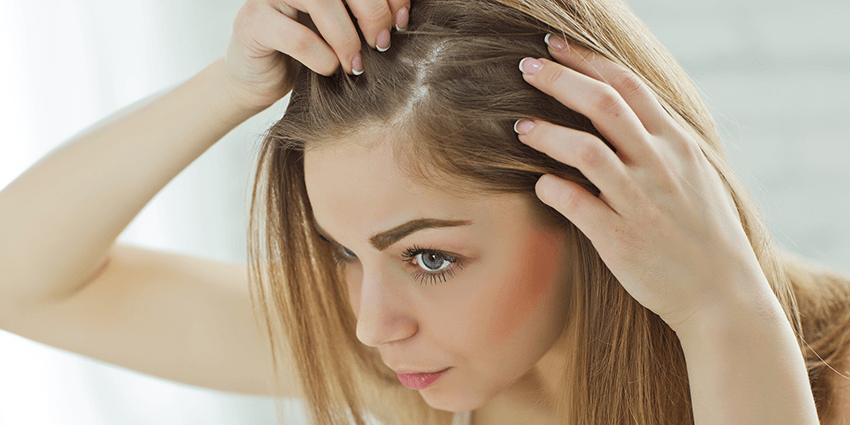
Bald spots and thinning are two of the first signs of hair loss and are often found near the hairline or crown of your scalp. This would suggest your hair is either receding slowly or that you are losing hair.
2. Whole Body Hair Loss
The human body is covered in approximately 5 million hairs and whole body hair loss can happen to anyone. Excessive hair loss is something to take notice of.
3. Loosening of Hair
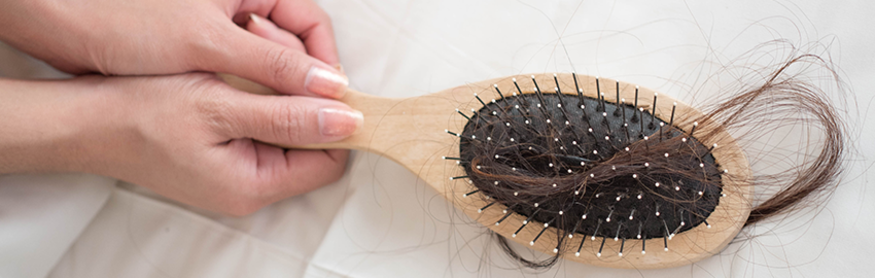
When it’s not falling out on its own, it can be hard to notice loose hair. If you start to notice extra strays in your comb, or more clumping the drain in the shower - this could allude to weak hair shafts that may need treatment.
How to Treat Hair Thinning
Treating hair loss can be done in a variety of ways suitable to you, such as at-home treatments with a deep conditioner right through to prescribed medicines. To treat hair loss:
Consult Your Doctor
Before attempting to take over the counter vitamins to reduce hair loss, speak to your doctor.
As we covered earlier, stress can cause you to lose hair - and if you are worried about baldness or feeling self-conscious and covering your head as much as possible, you could be making the situation worse.
A conversation with your doctor will inform and educate you as to why you could be losing hair and answer your burning questions.
Medication Options
Alongside trying to increase your vitamin intake and reducing your daily exposure to stress, medicines mentioned by the doctor can:
- strengthen hair after trauma
- help hair regrow
- stop hair from falling out
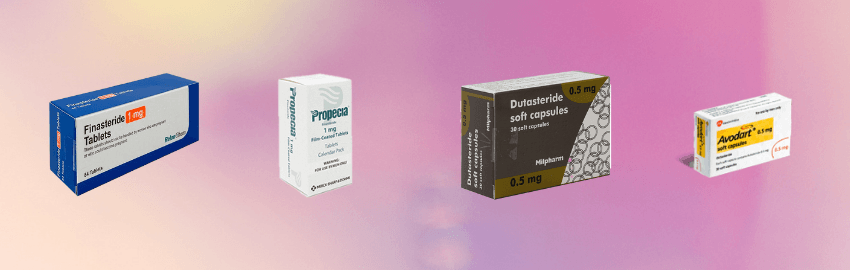
Some of the most likely options for hereditary issues are the following (all available from Oxford Online Pharmacy’s store).
Finasteride
Finasteride tablets are effective for helping 90% of men reduce escalating male pattern baldness after only 3-6 months of treatment. One tablet a day is all it takes to avoid the main cause of hair loss in men.
Propecia
Propecia is an expensive alternative to finasteride for hair loss with the same active ingredient. It is often “used to treat male pattern hair loss on the anterior mid-scalp area and vertex” and the earlier treatment is started, the more effective it is. Propecia cannot reverse complete baldness.
Dutasteride
Dutasteride, while not a licensed treatment for hair loss is widely used to treat male pattern baldness. It works in a similar way to finasteride and blocks the action of testosterone on hair follicles.
Avodart
Avodart is the branded version of Dutasteride. Originally developed for benign prostatic hyperplasia, it is only suitable for men.
Have Questions About Hair Thinning?
Here are some of our most frequently asked questions.
What is the cause of hair thinning in women?
Female hair loss can be attributed to vitamin deficiencies causing follicle weakness, hereditary issues, or stress-related factors that stop hair from growing back. One cause of hair loss in women that you can control at home is how you take care of your hair - don’t over wash and be careful about the products you use.
Why is my hair falling out after COVID?
When your body is exposed to trauma like the residual sickness caused by COVID-19, it can force your system to enter “survival mode.” Research shows that after illness “our bodies can prematurely shift a greater than normal proportion of growing anagen hairs into a resting telogen state”, ultimately resulting in hair loss.
What is a good vitamin for hair thinning?
Hair loss can be caused by different vitamin deficiencies, including iron, biotin, zinc, and B12. The most effective solution would be multi-vitamins that include the recommended daily dosage of each. Alternatively, you can look for options that are sold as separate units.
Can food cause balding?
Although there is no specific food that causes hair loss, not eating a fully balanced diet and ingesting the vitamins you need could lead to weak and brittle hair that eventually falls out. For example, dairy products like milk and eggs promote hair growth, which vegans may struggle with. Vitamins can be used to supplement this.
How Can I Reduce Hair Thinning?
Depending on the cause of your hair loss, there are numerous ways to strengthen your hair, and, if you have common questions about hair loss or different treatment options, Oxford Online Pharmacy’s expert team can answer questions about the products available on our site.
No matter your query, you can always talk to us for more information if you have a problem with hair loss.
Related Articles
- What You Need To Know About Hair Loss In Women
- Ed's Hair loss Treatment Journey - Introduction
- Men - Losing Your Hair - What Can You Do?
- Should you believe everything you read about hair loss?
- Hair Loss: Questions and Answers
- Hair Loss Guide
- Finasteride - 1mg or 1.25mg?