


It’s normal to feel a little nervous before sex, especially in a new relationship or after difficult experiences in the past. But when those nerves tip over into anxiety, it can make it difficult to get or maintain an erection, even when there is no physical problem.
This type of erectile dysfunction (ED) is known as performance anxiety, as it often stems from fears that you won’t perform “well” sexually. If this sounds familiar, you’re not alone, and it’s something that can absolutely improve with time and the right support.
What is performance anxiety?
Performance anxiety is when worrying about sex get in the way of you feeling relaxed, aroused, and enjoying the moment. It affects both genders and can come from a range of triggers, such as:
Fear of not getting or losing an erection
Worries about not satisfying your partner, particularly in new relationships
Lack of sexual knowledge or experience
Negative past sexual experiences or abuse
Previously feeling “judged” during sex
Relationship tension or pressure to impress in bed
Low self-esteem or body image worries that make you feel self-conscious
For men, performance anxiety often causes premature ejaculation or affects their ability to get an erection (1-2). Unfortunately, even a single episode of erectile dysfunction can knock your confidence, triggering more nerves about performing well sexually. This can form a vicious cycle, and ED can become a regular and unwelcome occurrence in the bedroom.
Stress, anxiety, or depression unrelated to sex can also make it difficult to get or keep an erection (3). While another type of psychological ED, this isn’t performance anxiety. Performance anxiety is specifically related to worries about sex itself (3).
How performance anxiety affects arousal
When you’re anxious, your brain activates the “fight-or-light” response in your body. This is a natural survival instinct designed to protect you from threat. It raises your adrenaline and heart rate, and directs blood to your muscles to prepare you to run from danger or attack the threat.
While useful when we are faced with a danger and need to react quickly, our system can’t differentiate between real threat and perceived threat. Any type of stress and anxiety triggers the same system, even if the cause of anxiety is nothing to truly fear — like your sexual performance.
And here’s the catch: your body can’t easily be in “fight” mode and “aroused” mode at the same time. Erections rely on blood flow to the penis (4). When your fight-or-flight mode sends blood to the muscles, it sends it away from the penis, making it harder to stay erect.
So even if you want to have sex and feel attracted to your partner, your body may not cooperate.
The cycle of performance anxiety and ED
The disconnect between brain and body can be incredibly frustrating, and one difficult experience can quickly turn into a repeating pattern:
Worry → Tension → Difficulty getting an erection → More worry next time
Each time it happens, confidence drops a little more, and the pressure around sex builds. The good news? Performance anxiety isn’t permanent, and it doesn’t mean there’s something wrong with you. Once you understand that this cycle exists and why it’s happening, it becomes much easier to break.
Breaking the cycle
If anxiety is getting in the way of your sex life and affecting your erections, here are a few ideas to start turning things around:
Try to take the pressure off sex and stop focusing on the end goal. Instead, try to focus on intimacy, connection, and pleasure. Even if you don’t manage to keep your erection, it’s not “bad” sex — there are many ways to please your partner aside from penetration.
If you feel comfortable doing so, share your worries about sex and performance with your partner. Supportive partners can help reduce pressure surrounding sex and build up your confidence in the bedroom.
If you feel embarrassed to share your anxieties, try opening up a conversation with your partner about their sexual likes and dislikes. Knowing what your partner likes can help you feel more confident that you’re satisfying them in bed.
Relaxation techniques in general can help calm the fight-or-flight response. Try deep breathing, meditation, or mindfulness practices to quieten the mind and help you stay present in the moment with your partner.
Work, sleep, and general mental health all affect sexual performance more than most people realise. Try addressing these lifestyle stressors, as well as specific anxieties surrounding sex.
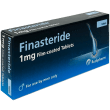
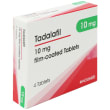
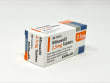
Even if the cause is psychological, ED medicines can help restore confidence by making erections easier to achieve (1). For many men, this helps break the mental barrier and rebuild trust in their body.
When to seek help
Not being able to get an erection occasionally is normal and happens to most men at some point (3). It doesn’t necessarily mean you have erectile dysfunction. The mood and the moment might simply have been off, and your body didn’t want to cooperate.
But if you’re constantly feeling anxious or that the fear of “not performing” is affecting your confidence, it’s worth speaking to a doctor. They may recommend treatment. For many men, ED medicines help take the pressure off, making it easier to get and keep an erection while your confidence rebuilds. After a few positive experiences, some men find that they no longer need the medicine at all.
At Oxford Online Pharmacy, our UK-registered doctors and pharmacists can help discuss treatment options and offer expert advice. You don’t have to face performance anxiety alone — we are here.
Explore ED treatments with Oxford Online Pharmacy here
References
Pyke RE. Sexual performance anxiety. Sexual Medicine Reviews. 2020 Aug;8(2):183-190.
NHS. Ejaculation problems [Internet]. nhs.uk. 2017.
Patient Erectile dysfunction [Internet]. Patient.info. 2024.
NHS. Erectile dysfunction (impotence) [Internet]. nhs.uk. 2019.