


According to the British Heart Foundation, around 4 million men and 3.6 million women are living with heart or circulatory disease in the UK alone. 1
It is estimated that around 80% of cardiovascular diseases, including stroke and heart disease, are preventable. Despite this, cardiovascular disease (CVD) causes more than 20.5 million deaths every year. 2
The World Health Organisation reported that more than four out of five CVD deaths are due to heart attacks and strokes, and one-third of these deaths occur prematurely in people under 70 years of age. Therefore, checking your heart health is extremely important and prevention could save your life. 3
What causes cardiovascular disease?
A buildup of fatty plaques in the arteries (atherosclerosis) is the most common cause of heart disease.
The most common risk factors for heart disease and stroke are unhealthy diet, physical inactivity, tobacco use and harmful use of alcohol.
Other causes of heart disease include:
- High blood pressure
- High blood cholesterol
- Stress
- Being overweight or obese
- Having diabetes
- Family history of heart disease
- Ethnic background
- Sex - men tend to develop CVD earlier than women
- Age - the risk of developing CVD increases with age
What are the symptoms of heart disease?
The main symptoms of heart disease are:
- Pain and weakness 4
- Chest pain
- Numb legs or arms
- Being out of breath
- Slow or fast heartbeat
- Dizziness
- Being tired
- Swollen limbs
How is heart disease diagnosed?
Testing for heart disease can be done in the following ways:
- CT scan
- Echocardiogram
- MRI scan
- Chest x-ray
- ECG (Electrocardiogram)
- Blood tests
A blood test is the most common way of testing for heart disease. This type of test is normally done through your doctor who will take a blood sample and send it to a blood laboratory for testing.
Cholesterol and heart health
High cholesterol can cause fatty deposits to build up in your blood vessels. Over time, these deposits grow and make it harder for blood to flow through your arteries. Sometimes, the deposits can break apart and form a clot, which can lead to a heart attack or stroke.
Good cholesterol vs. Bad cholesterol
There are different types of fats (lipids), commonly known as "good cholesterol" and "bad cholesterol."
High-density lipoprotein (HDL) is considered good cholesterol, with the "H" standing for "helpful." HDLs transport cholesterol to your liver, which regulates cholesterol levels by using what it needs and removing the excess. It's important to have enough HDLs to maintain this balance. Low HDL levels can result in too much cholesterol in your bloodstream.
Bad cholesterol is low-density lipoprotein (LDL). LDL cholesterol contributes to plaque build-up in your arteries, which can lead to heart disease over time. 5
How do I know if I have high cholesterol?
Most people won’t know they have high cholesterol until they are tested. Many won't experience any high cholesterol symptoms unless it starts to cause other problems like the symptoms of heart disease listed above.
How to lower cholesterol UK
If you are looking to learn more about how to reduce cholesterol, consider doing the following:
Eat less high-cholesterol foods - you should replace foods that are high in fat with low-fat alternatives. A low-cholesterol diet includes foods which are healthy sources of protein like peas, beans, lentils, fish, nuts, chicken and lean red meat.
- Adopt a healthy exercise regime - the NHS recommends that you should aim to do at least 2.5 hours of exercise a week.
- Stop smoking - see our stop smoking service for help quitting.
- Drink less alcohol - the NHS advises that you consume no more than 14 units of alcohol weekly. 6
Where to check your cholesterol levels UK
The best way to check whether your cholesterol is high is by doing a blood test, the good news is visiting your doctor isn’t the only way of testing your heart health.
PocDoc cholesterol test uses something called lipid panel testing, which assesses the levels of specific fat molecules (lipids) in the blood.
People undergo lipid panel testing to assess their risk of cardiovascular conditions such as heart disease, heart attack, and stroke.
The PocDoc heart health test is available online from Oxford Online Pharmacy without a prescription.
What is the PocDoc heart health test?
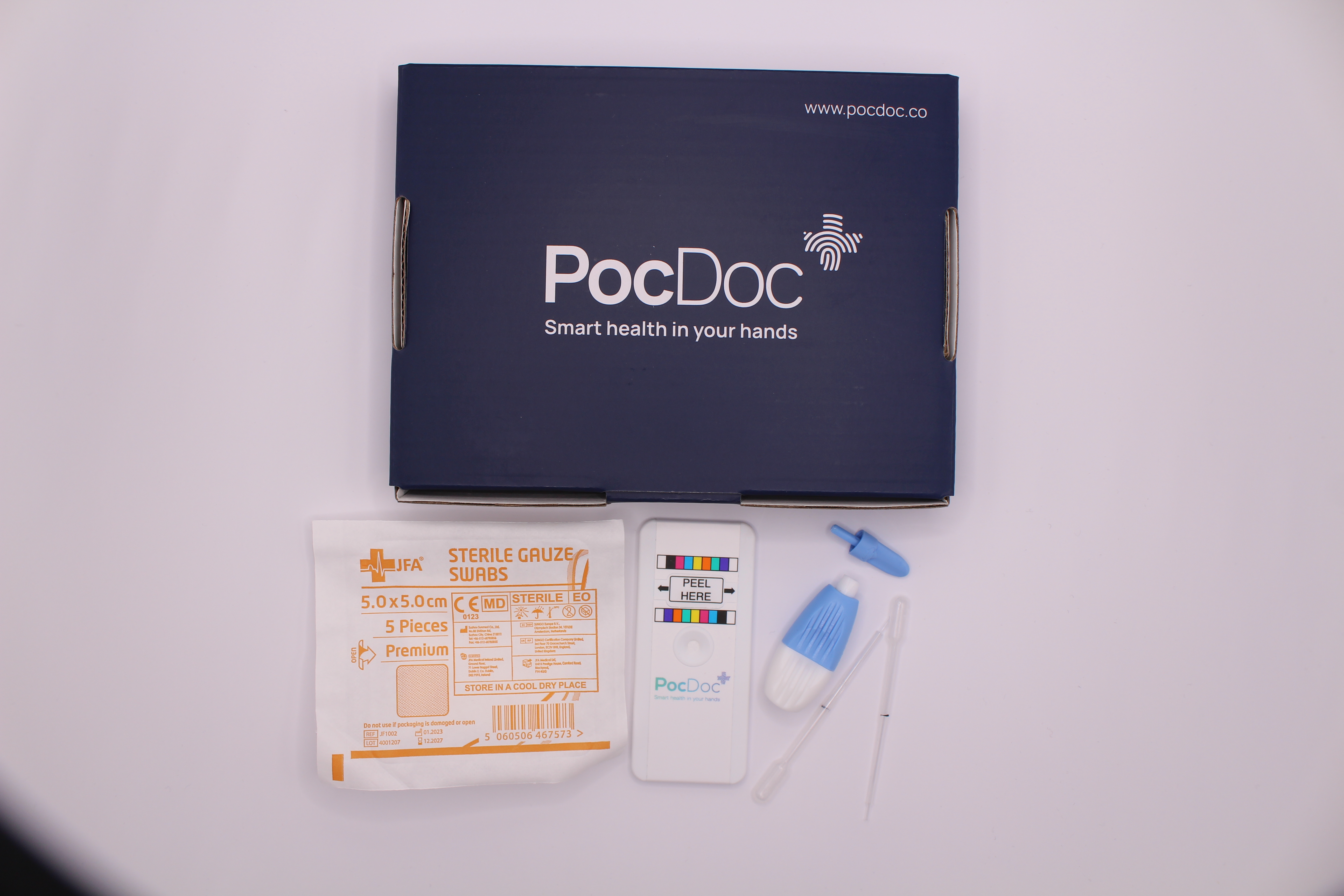
The PocDoc healthy heart check is a quick test to assess the amount of cholesterol level in your blood. You can do the test at home in under 10 minutes to check your heart health.
The NHS and other healthcare professionals in the UK use the PocDoc device.
Using the PocDoc lipid test and your smartphone, you can get a cardiovascular screening similar to the one offered by the NHS, without needing to visit your doctor.
How does PocDoc work?
Key features of the PocDoc heart test:
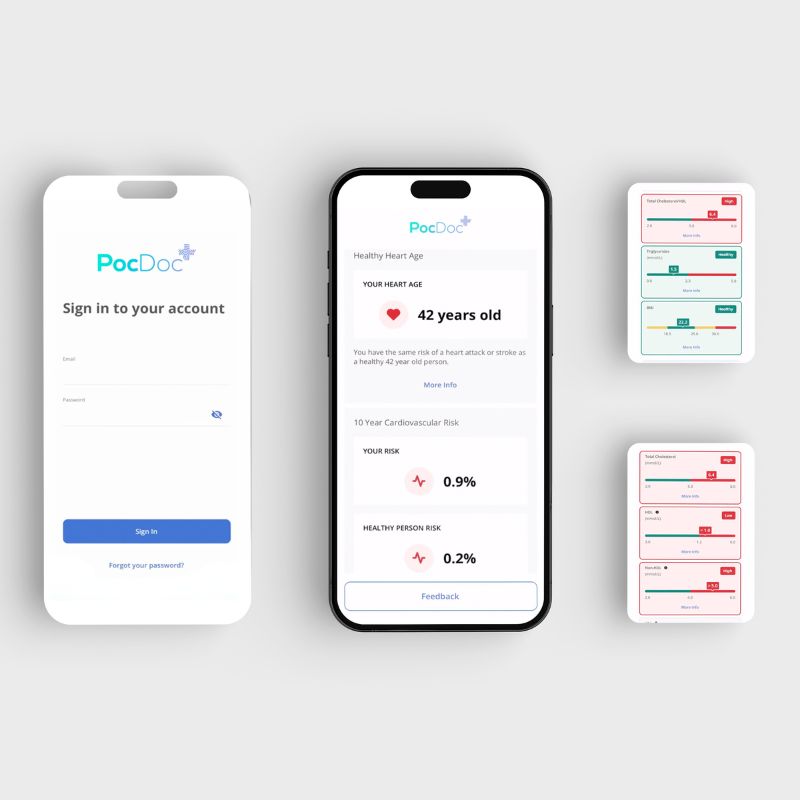
Comprehensive results: The test provides clear, accurate results for your 6-marker lipid panel, comparing them to NHS guidelines, your heart health age, 10-year heart attack risk, and BMI. The app also allows you to chat with a doctor about your results.
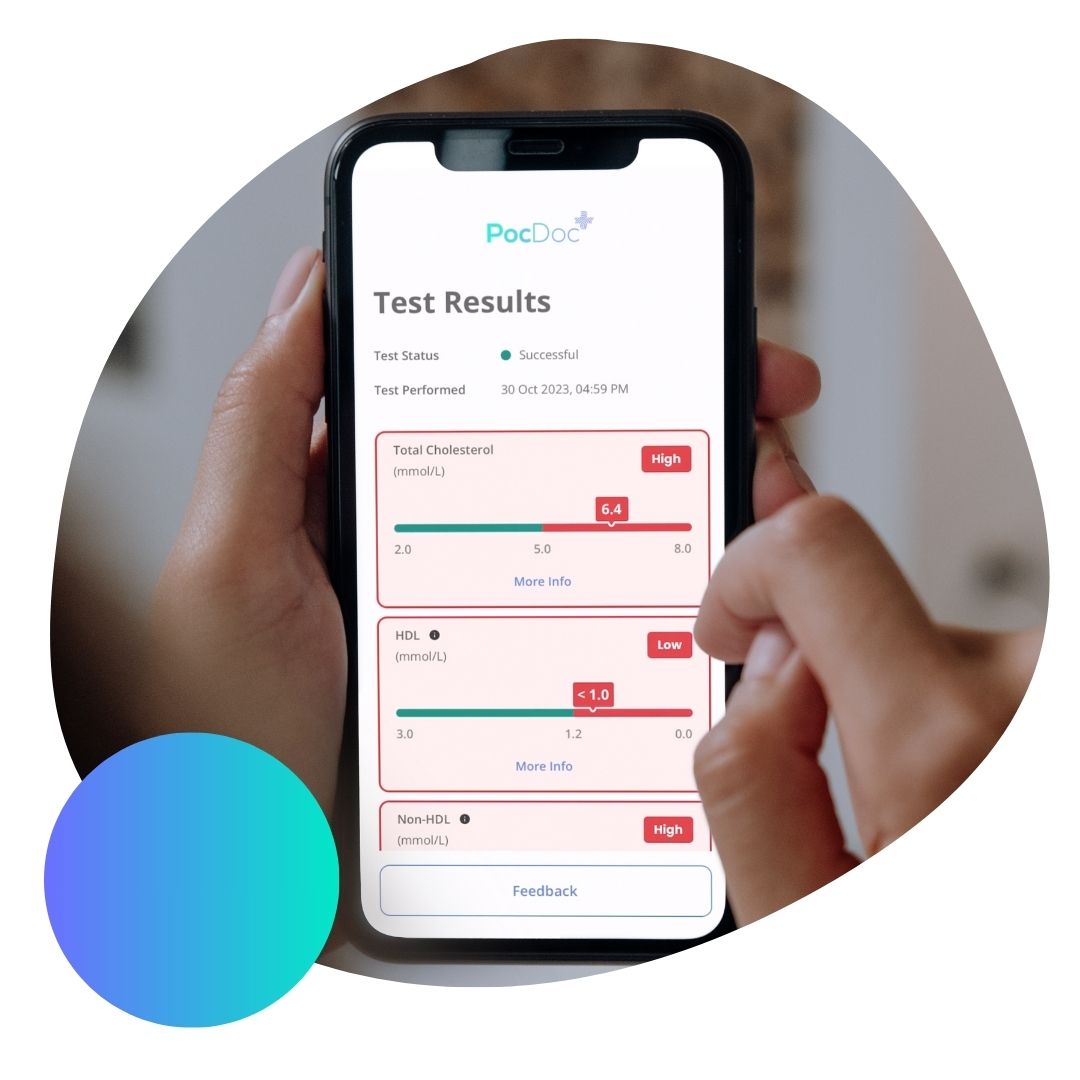
Fast and efficient: Get your results in under 10 minutes, no more waiting for days.
Convenient: Check and monitor your cholesterol levels at home with the PocDoc healthy heart check.
Educational resources: Understand your results better with resources and the option to speak with a doctor.
Take charge of your heart health with the PocDoc healthy heart check.
Order nowReferences
- Facts and figures - Information for journalists - British Heart Foundation
- CVD Prevention, What We Do - World Heart Federation
- Cardiovascular diseases - World Health Organisation
- Cardiovascular Disease (CVD) - types, causes & symptoms - British Heart Foundation
- High Cholesterol: Causes, Symptoms and How It Affects the Body - Cleveland Clinic
- High cholesterol - How to lower your cholesterol - NHS