



Experiencing erectile dysfunction (ED) in your 20s can feel confusing, worrying, and often quite isolating. Many men assume it’s something that only affects older people, so when it occurs at a younger age, it can feel as though something must be seriously wrong.
The reality is that erectile dysfunction can happen at any age, and it’s more common in younger men than many people realise. In younger men, it’s often linked to psychological or lifestyle factors rather than an underlying medical condition. And the good news: it’s usually temporary and treatable.
The first step to finding the right support is to understand the cause. In this article, we discuss the possible reasons for erectile dysfunction in younger men and available treatment options.
Key takeaways
Erectile dysfunction can happen at any age, including your 20s.
In younger men, erectile dysfunction is often caused by psychological or lifestyle factors rather than a serious medical condition.
Occasional erection difficulties are common for all men, especially during periods of stress, fatigue, or after drinking alcohol.
Treatment is available, and it’s a good idea to speak to a doctor if erectile dysfunction happens regularly or affects your confidence or relationships.
Many young men now access support and ED treatment through online consultations.
A quick reassurance: it’s more common than you think
Many younger men worry that experiencing erectile dysfunction means something is wrong with their health. There could be an underlying condition that’s causing erectile problems, but you can have ED and still be healthy. In younger men, this is much more likely.
Erectile dysfunction affects more men than you might think, with up to 35% of younger men experiencing erectile difficulties at some point (1). Many men in their 20s find they have problems getting or keeping an erection during stressful periods of life, after drinking alcohol, when feeling anxious about sexual performance, or during times of poor sleep or high stress.
So, while it may feel isolating to experience ED at a young age, you’re not alone. And importantly, erectile dysfunction is usually treatable, especially when the underlying cause is identified.
What causes erectile dysfunction in your 20s?
Erectile dysfunction usually has more than one contributing factor. For younger men, the causes often fall into psychological or lifestyle factors, but physical health issues are possible (1).
Psychological causes
Psychological factors are one of the most common reasons for erectile dysfunction in men under 30.
Performance anxiety: Performance anxiety is common in younger men. If you’re worried about how “well” you’ll perform or whether you’ll be able to keep an erection, the pressure can make it hard for your body to respond. Even a single difficult experience can create a cycle where worrying about erections makes future sexual encounters feel stressful.
Stress: Stress doesn’t have to be about sex itself for it to contribute to erectile difficulties. Work pressures, financial worries, and general life stress can all affect performance. Stress activates the body’s “fight or flight” response, which can interfere with the physical processes needed for an erection.
Anxiety or depression: Mental health also plays a role in sexual function, so much so that erectile dysfunction may serve as a sign of poor mental health (2). Anxiety and depression can affect both sexual desire and your body’s ability to respond to sexual stimulation, which may impact your erections.
Relationship factors: If there are problems in your relationship, they may show up in the bedroom. Feeling emotionally disconnected from a partner, unresolved relationship tension, or worrying about a partner’s expectations can also contribute to erectile difficulties.
Excessive pornography use: For some men, frequent pornography consumption may affect arousal patterns or expectations around sex (3). While this doesn’t affect everyone, in some cases, it can make it harder for the body to respond to real-life sexual stimulation.
Lifestyle factors
Lifestyle habits can also have a big impact on erectile function.
Alcohol and recreational drugs: Being unable to get an erection after a night of drinking or taking drugs is fairly common and usually temporary. Erectile function typically returns once the substances have left the body. However, excessive long-term use of either can interfere with the nervous system and blood flow, increasing the risk of ongoing ED.
Smoking: Smoking is another risk factor for erectile dysfunction, and the more you smoke, the higher your chances of erectile issues. Nicotine constricts blood vessels, while other chemical toxins in cigarettes can cause them to narrow and harden. Over time, this affects blood flow throughout the body, including to the penis (4).
Obesity: Being overweight or obese can affect blood flow and cause hormonal imbalances, both of which may influence your erections. It also increases the risk for conditions like high blood pressure and diabetes, which are other known causes of ED (5).
Poor sleep: Even something as simple as not getting enough sleep can make it harder to get an erection. Consistently poor sleep can affect testosterone levels and energy levels, both of which influence sexual function.
Physical causes
Physical health problems, although less likely in younger men, can sometimes be to blame.
Blood flow problems: Erections rely on healthy blood flow to the penis, so conditions like high blood pressure or heart disease can make it harder to get an erection (5). These conditions aren’t typical for younger men, but regular check-ups can help identify them early.
Hormonal changes: Hormones such as testosterone play a role in erectile function and sex drive. While low testosterone is more commonly associated with older men, it can occasionally affect younger men as well. It’s unlikely that it’s the sole cause of erectile dysfunction, but it may contribute.
Nerve conditions: Erections occur when the message that you’re sexually aroused is sent from the brain to the penis via the nervous system. Conditions affecting the nerves can interfere with this communication. This is uncommon in younger men but may occur with certain neurological conditions or injuries.
Recognising the signs of erectile dysfunction
Spotting symptoms of ED early can help young adults find the right treatment sooner. Despite what many men believe, erectile dysfunction doesn’t always mean a complete inability to get an erection.
Common signs younger men might notice include:
Difficulty getting an erection
Difficulty keeping an erection during sex
Reduced firmness of erections
Reduced sexual confidence
For many men, erection difficulties happen occasionally. For example, you may have the odd “off night” after drinking alcohol, during periods of stress, or when feeling tired. If this happens only rarely, it is usually nothing to worry about and doesn’t mean you necessarily have erectile dysfunction.
But if the problem happens regularly or begins to affect your confidence, relationships, or mental health, it may be worth speaking to a healthcare professional. Even if erectile problems only happen occasionally but cause significant worry or affect your mood, seeking support can help.
A doctor can help identify the possible cause and recommend treatment options based on your individual situation.
Diagnosing erectile dysfunction
If you decide to seek help for erectile dysfunction, the first step is usually a conversation about your symptoms and medical history. A doctor will typically ask about:
When the symptoms started
How often they occur
Your general health and lifestyle
Any medications you are taking
In many cases, your answers to these questions provide enough information to guide treatment. This is one reason why online consultations have become popular, particularly for younger men who may feel embarrassed discussing erectile dysfunction in person. By answering a series of confidential questions online, you can receive advice and treatment recommendations from the comfort of home.
If further information is needed, or if you see a doctor in person, simple health checks may also be recommended. These can include measuring blood pressure or arranging blood tests to check hormone levels, blood sugar, or cholesterol.
A physical examination may sometimes be recommended, but this is not always necessary, especially when symptoms suggest psychological or lifestyle-related causes.
Treatment options for young men with erectile dysfunction
The right treatment depends on the underlying cause. For many younger men, this means addressing lifestyle or psychological factors is often the first step.
Lifestyle changes
Lifestyle changes can make a significant difference to erectile function (6). In some cases, improving overall health is enough to improve erections without further treatment.
This might include:
Exercising more regularly
Improving sleep habits
Reducing alcohol intake
Stopping smoking
Managing stress levels
Losing weight if overweight
If lifestyle factors are contributing to erectile dysfunction, improvements in these areas can often lead to noticeable changes. Even if your ED isn’t due to lifestyle choices, implementing these changes is still a good idea. They support healthier blood flow, hormone balance, and overall well-being.
Psychological support
Because psychological factors and sexual performance anxiety are common in younger men with erectile dysfunction, talking openly with a partner can reduce pressure and rebuild confidence.
Professional counselling or therapy may sometimes be recommended. Speaking with a therapist can help address worries over sexual performance, general stress, depression, anxiety, or relationship issues that may be affecting sexual confidence. In many cases, treating the underlying psychological cause helps resolve erectile difficulties over time.
Medication
If lifestyle changes or psychological support are not enough to make ED go away on its own, or if you want a faster way to get erectile function back, medication can help alongside.
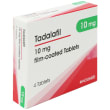
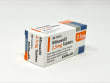
Most men with erectile dysfunction start with oral medications known as PDE5 inhibitors, including sildenafil and tadalafil. These tablets are generally taken shortly before you plan to have sex and work by improving blood flow to the penis, helping you to achieve and maintain an erection when sexually aroused (7-8).
Erectile dysfunction pills don’t necessarily need to be a forever thing, especially for younger men with performance anxiety. Medication can help break the cycle and restore confidence during sex. Many young men find they can achieve erections naturally after a while, without the help of medication.
Getting help for erectile dysfunction
If you’re experiencing erectile dysfunction in your 20s, it’s important to remember that you’re not alone, and help is available. Seeking support can feel like a big step, but for many men, it’s the first step toward regaining confidence and improving their sexual health.
At Oxford Online Pharmacy, our UK-registered independent doctors provide confidential online consultations for erectile dysfunction. After reviewing your medical history and symptoms, they can recommend suitable treatment options if appropriate, available to buy online.
View available ED treatments online or contact our team to learn more about your options.
References
Safa A, Waked C. Erectile Dysfunction in Young Adults: A Narrative Review. Cureus [Internet]. 2025 Aug 12
Jannini TB, Giraldi A. Psychological and Psychiatric Underpinnings of Erectile Dysfunction: Anxiety, Depression and Stress as a Predictor of Men’s Health. Trends in Andrology and Sexual Medicine. 2025 Oct 1;61–78.
Jacobs T, Geysemans B, Van Hal G, Glazemakers I, Fog-Poulsen K, Vermandel A, et al. Associations Between Online Pornography Consumption and Sexual Dysfunction in Young Men: Multivariate Analysis Based on an International Web-Based Survey. JMIR Public Health and Surveillance. 2021 Oct 21;7(10):e32542.
Allen M S, Tosted R C. Cigarette smoking and erectile dysfunction: an updated review with a focus on pathophysiology, e-cigarettes, and smoking cessation. Sexual Medicine Reviews. 2023 Jan; 1(11): 61-73.
NHS. Erectile dysfunction (impotence) [Internet]. nhs.uk. 2019.
Maiorino MI, Bellastella G, Esposito K. Lifestyle modifications and erectile dysfunction: what can be expected? Asian Journal of Andrology [Internet]. 2015;17(1):5–10.
NHS. About Sildenafil (Viagra) [Internet]. nhs.uk. 2022.
NHS. About tadalafil [Internet]. nhs.uk. 2022.