


-
 UK-registered clinical team
 -
Confidential & secure
-
No GP visit needed
-
Fast & discreet delivery


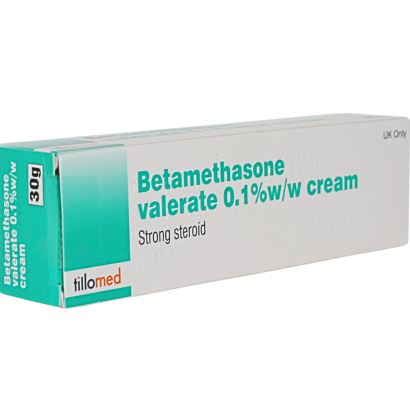
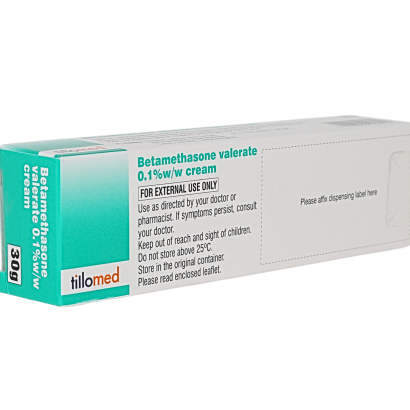
Betamethasone Valerate Cream 0.1% 30g for Phimosis
Betamethasone Valerate Cream 0.1% 30g for Phimosis Product information
£15.99
Buy Betamethasone Cream for Phimosis
Betamethasone Valerate 0.1% cream is a topical steroid that can be prescribed to treat phimosis, where the foreskin is too tight to retract comfortably over the head of the penis.
Treatment aims to gradually make the foreskin easier to retract and may avoid the need for surgery for some men. The Betamethasone cream for phimosis is applied directly to the tight ring at the tip of the foreskin twice every day, for several weeks.
Contains Betamethasone Valerate 0.1%, supplied as a 30g tube
Usually prescribed as a 12-week treatment course
Gentle phimosis stretching may be introduced during treatment if advised by your clinician
Prescription-only treatment following an online clinical assessment
Betamethasone cream is prescribed off-label as a phimosis treatment. This means phimosis is not listed as a licensed indication for this medicine in the UK, but topical corticosteroids are an established non-surgical treatment for phimosis (1,2).
Product Information for Betamethasone Valerate Cream 0.1% 30g for Phimosis
What is Phimosis?
Phimosis is defined as a tight foreskin that cannot be pulled back fully over the head of the penis, or where pulling it back is painful or uncomfortable (3,4).
It is normal for babies and young boys to have phimosis, but in adults it can cause problems with (3):
Cleaning beneath the foreskin
Bleeding or discharge under the foreskin
Painful erections or sex
Ballooning of the foreskin when urinating
Repeated inflammation or infections such as balanitis
Find out more about Phimosis and how to treat tight foreskin in adults.
What is Betamethasone Cream?
Betamethasone Valerate Cream is a prescription-only steroid cream, or topical corticosteroid (1).
In the UK, Betamethasone Valerate 0.1% is used for treating skin conditions like eczema and dermatitis, but it can be prescribed off-label as a phimosis cream (1,2). Topical steroid creams are an established first-line, non-surgical treatment and may help make the foreskin easier to retract (2).
What does “off-label” mean? | ||
|---|---|---|
Off-label means a licensed medicine is being prescribed for a use that is not included in its UK marketing authorisation. It does not mean the medicine is experimental or that it has not been studied for this use. There is an established evidence base for using steroid creams to treat phimosis, and they are recommended as a first-line treatment before surgery is considered (2,5). The doctors at Oxford Online Pharmacy will only prescribe Betamethasone cream for phimosis after checking it’s appropriate for you. | ||
How does Betamethasone cream work for a tight foreskin?
One reason phimosis can develop in adults is when repeated inflammation or irritation causes the foreskin to become less flexible (2,3). Betamethasone reduces inflammation in the skin, making the tissue softer and allowing the opening to stretch more easily (1,2).
Betamethasone phimosis cream is applied specifically to the tight ring at the tip of the foreskin that needs softening.
As the tight skin becomes softer, careful stretching can gradually increase how far the foreskin retracts and may be recommended alongside treatment.
How effective is Betamethasone cream for phimosis?
Research shows topical steroid cream can improve the chances of the foreskin becoming retractable (5). Most studies were carried out in children and adolescents, so the results cannot be directly applied to adult men, however, it does show evidence that topical steroids do help with loosening skin.
A review looked at 14 clinical trials involving 1,459 boys treated for phimosis. After 4–8 weeks:
Around 84 in every 100 treated with a topical were able to fully retract their foreskin after treatment, compared with around 34 in every 100 without steroid treatment (5).
Topical steroids also increased the likelihood of partial improvement in foreskin retractability (5).
It’s also important to note, the studies in the review used several different topical steroids and treatment regimens, rather than Betamethasone Valerate 0.1% alone. Topical steroids are nevertheless an established first-line, non-surgical treatment for adult phimosis.
When will I see results from Betamethasone cream for phimosis?
Betamethasone cream works gradually over several weeks. Your foreskin won’t become fully retractable after the first application, but as treatment starts to work, you may notice:
The tight area of foreskin feels softer or more flexible
Your foreskin can be pulled back further than before
Pulling it back feels less tight or uncomfortable
To get the best results from your treatment, apply the cream consistently as per the instructions given to you by your prescriber. Gentle phimosis stretching may be recommended alongside treatment, which may help the foreskin retract in some men.
Betamethasone cream does not work for everyone, and the results and how quickly you see them can depend on the cause and severity of phimosis.
Betamethasone Valerate Cream 0.1% 30g for Phimosis reviews
How to use Betamethasone Valerate Cream 0.1% 30g for Phimosis
Apply a thin layer of Betamethasone Valerate Cream to the tight band of foreskin twice a day, or as directed by your prescriber, for the length of treatment prescribed.
Important: Check your skin before starting treatment | ||
|---|---|---|
Do not apply Betamethasone cream to broken skin or an active, untreated infection of the foreskin or glans. Speak to a clinician first if you have signs of an infection. If the foreskin looks white, thickened or scarred, rather than simply tight, speak to a clinician before using the cream. These changes can be a sign of lichen sclerosus (BXO), which needs assessment by a specialist and may require different treatment (3). | ||
To apply the phimosis treatment cream:
Wash your hands before applying treatment
Wash the penis gently and dry the area first
Identify the tight ring of skin at the tip of the foreskin
Apply a small, thin smear of cream directly to this tight band only
Gently rub the cream in using your fingers until absorbed
Wash your hands afterwards
Apply the cream to the tight ring only. Do not spread it over the whole penis or deliberately apply it to the glans unless your clinician has specifically told you to do so.
How and when do I do phimosis stretching exercises?
Your prescriber may advise you to gently stretch back your foreskin once the skin has begun to soften, often starting one week into treatment.
Stretching isn’t something everyone needs to do. The British Association of Urological Surgeons (BAUS) specifically cautions against stretching a diseased or scarred foreskin, so do not start stretching unless your prescriber has advised that it is suitable for you (3).
If stretching has been recommended:
Gently retract the foreskin only as far as is comfortable
Hold the stretch without forcing the foreskin backwards
Stretch as often and for as long as your doctor recommends
Stop if stretching is painful or causes bleeding or tearing
Never force the foreskin back. Small tears scar when they heal and make the foreskin tighter.
Important: Always return your foreskin to its normal position after stretching | ||
|---|---|---|
If your foreskin becomes trapped behind the head of your penis and cannot be pulled forwards again, this is called paraphimosis (4). The penis may become swollen and painful, and blood flow can be restricted. Paraphimosis is a medical emergency. Seek urgent medical help rather than trying to treat it with Betamethasone cream (4). | ||
How long does phimosis treatment last?
Betamethasone cream for phimosis is usually prescribed for a maximum of 12 weeks.
Continue using the cream for the full course prescribed by your doctor, even if you notice an improvement sooner. Stopping early may mean the medicine has not had enough time to work fully.
If the foreskin is still very tight at the end of the treatment course, do not continue using the cream, as it can increase the risk of side effects like skin thinning and make the treated skin more vulnerable to infection (1,2). Contact our clinical team instead.
What if Betamethasone cream does not work?
If your foreskin is still too tight to pull back after completing your full treatment course, contact our team for a review. We can assess your phimosis again, try to figure out why treatment didn’t work, and discuss what to do next. Next steps may include (2,3):
Another short treatment course with Betamethasone cream
Prescribing antibiotic or antifungal creams if there is an active infection
Referral for assessment for a surgical treatment such as circumcision
Side effects of Betamethasone Valerate Cream 0.1% 30g for Phimosis
The most common side effects of Betamethasone cream, affecting up to 1 in 10 people, include (1,7):
Itching where the cream is applied
Local burning or pain
These effects are usually limited to the application area. If irritation is persistent, getting worse or making treatment difficult to continue, contact us for advice.
Very rare skin reactions have also been reported, such as (1,7):
Thinning or wrinkling of the skin
Dry skin
Stretch marks or changes in skin colour
Visible small blood vessels
Redness, rashes or hives
Skin allergy reactions
Skin infections
Blurred vision and topical steroid withdrawal reactions have been reported (1). Speak to a doctor if you develop blurred vision or another visual disturbance while using betamethasone.
Many of these side effects are more likely if the cream is used for longer than recommended, which is why you shouldn’t use Betamethasone cream for longer than prescribed by your doctor. Applying too much cream can also make some side effects worse (1).
For a full list of side effects, refer to the Patient Information Leaflet for Betamethasone Cream (7).
When should I stop using the cream and seek advice?
Stop using the steroid cream and contact a clinician if:
You have signs of an allergic reaction, such as a rash or itching
The treated area becomes more irritated, painful or infected
Your symptoms get worse during treatment instead of getting better
If an infection develops or spreads during treatment, you may need treatment for the infection and your steroid cream may need to be stopped (1). Let your prescriber know if this happens.
This page does not list every possible side effect. Read the Patient Information Leaflet for Betamethasone Valerate Cream for the full list of side effects, warnings and precautions (7).
Advisory information
Allergies: Do not use Betamethasone Valerate Cream if you are allergic to Betamethasone Valerate or any of its ingredients. Tell your prescriber if you have previously had an allergic reaction to another steroid cream. An allergic skin reaction can sometimes look like your symptoms are getting worse (1).
Infections: If you develop signs of an infection while using the cream, such as increasing redness, swelling, soreness or discharge, contact a doctor. You may need treatment for the infection and may need to stop using the steroid cream until the infection has cleared up (1).
Other medicines: Tell your prescriber about any medicines you use. Some medicines, including Ritonavir (used to treat HIV) and Itraconazole (used to treat fungal infections), can increase the amount of corticosteroid in your body and may increase the risk of side effects (1).
Ingredients: Betamethasone Valerate 0.1% Cream contains chlorocresol, which can cause allergic reactions, and cetostearyl alcohol, which can cause local skin reactions such as contact dermatitis. Stop using the cream and speak to a doctor if you think you are having a reaction (1).
Fire risk: The cream contains paraffin, which can soak into clothing, bedding and other fabrics and make them catch fire and burn more easily. Do not smoke or go near naked flames while using the cream. Washing fabrics may reduce product build-up but may not remove it completely. (1,7)
-
No, Betamethasone steroid cream should be applied to the tight band of foreskin only. Don’t deliberately spread the cream over the glans (head of the penis) or the rest of the penis shaft. Follow any individual instructions given by your prescriber.
-
Gentle phimosis stretching may be introduced after the cream has started to soften the tight foreskin, typically after around one week, if your doctor advises it. Only stretch if advised by your clinician, and never force the foreskin backwards because tearing can cause further scarring (3).
-
If your foreskin remains tight after completing the prescribed course, contact our team for review rather than continuing the steroid cream indefinitely. Further treatment may be considered, or you may need referral to discuss surgical options such as circumcision (2,3).
-
Betamethasone is one of several steroid creams used to treat phimosis, and there isn't one option that is best for everyone. The most appropriate one depends on the cause and severity of the tightness (2,5). Your clinician will decide whether Betamethasone is a good option for you.
-
Phimosis can often be treated without surgery, but the right treatment depends on the cause and severity. Topical steroid creams such as Betamethasone are often the first-line treatment, while some men may eventually need surgery such as circumcision (2,3).
-
Yes, Betamethasone is a corticosteroid, a type of steroid medicine that reduces inflammation. Betamethasone Valerate 0.1% is a strong, prescription-strength steroid cream. For phimosis, it is applied directly to the tight area of the foreskin for a short, prescribed course (1).
-
Do not substitute hydrocortisone cream for prescribed Betamethasone without speaking to your clinician. Topical corticosteroids vary in strength, and evidence for phimosis includes several different steroids and treatment regimens. Use the steroid and strength specifically prescribed for you.
-
Phimosis is common in babies and young boys because the foreskin often does not become fully retractable until later in childhood (3,4). Phimosis is less common in adults, but it can develop due to inflammation, infection, scarring or conditions affecting the foreskin (3).
Important - Before taking any medication, it is always important to read the Patient Information Leaflet (PIL)
Betamethasone Valerate Cream 0.1% 30g for Phimosis - Patient Information Leaflet
Tillomed Laboratories Ltd. Betamethasone Valerate 0.1% w/w Cream. Summary of Product Characteristics [Internet]. electronic Medicines Compendium; 2026 [cited 2026 Sep 8].
Rosato E, Miano R, Germani S, Asimakopoulos AD. Phimosis in adults: narrative review of the new available devices and the standard treatments. Clin Pract. 2024;14(1):361–376.
British Association of Urological Surgeons. Tight foreskin (phimosis) [Internet]. London: BAUS; 2024 [cited 2026 Sep 8].
NHS. Tight foreskin (phimosis and paraphimosis) [Internet]. NHS. 2017.
Moreno G, Ramirez C, Corbalán J, Peñaloza B, Morel Marambio M, Pantoja T. Topical corticosteroids for treating phimosis in boys. Cochrane Database Syst Rev. 2024;1:CD008973.
British Association of Dermatologists. Lichen sclerosus in males [Internet]. bad.org.uk. 2026
Betamethasone Valerate 0.1% w/w Cream. Patient Information Leaflet [Internet]. Electronic Medicines Compendium [cited 2026 Sep 8].
- Phimosis explained: How to treat tight foreskin in adults
- Save on Your Treatment This January
- How blood affects erections: the science behind erectile dysfunction
- Why do ED medicines work for some people but not others?
- How do GLP-1 side effects compare between treatments?
- What is the Black Market for Prescription Medication?
- What is GLP-1, and what does it have to do with weight?
- What does Mounjaro do in the body?
- Oral semaglutide for Alzheimer’s: What the EVOKE trial results tell us
- What you need to know about Wegovy 7.2mg
Authored on September 11, 2026

Robert Bradshaw (Pharmacist) — MRPharms BSc(Hons) Pharmacy
Superintendent Pharmacist
GPhC Number: 2036118
Reviewed on September 17, 2026
