


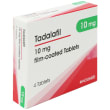

For many men with male pattern baldness, Finasteride is the first treatment they try. It’s effective, well studied, and licensed in the UK for androgenetic alopecia.
But for some, progress stalls, hair loss continues, or the results don't feel strong enough to justify continued use. Dutasteride, which blocks more DHT, is a possible next step to consider and is prescribed off-label for hair loss in the UK (1).
If you’re thinking about switching from Finasteride to Dutasteride, this guide explains when the switch makes sense, how it works in practice, and what you can realistically expect afterwards.
Visit our Dutasteride treatment page to see whether this treatment is suitable for you.
In this article:
A quick recap: how Finasteride and Dutasteride differ
Why might you switch from Finasteride to Dutasteride?
When is it not the right time to switch?
How does the switch work?
Is switching safe?
What should you expect after switching?
What about side effects?
What if Dutasteride doesn’t work?
A quick recap: how Finasteride and Dutasteride differ
Finasteride and Dutasteride belong to the same class of medicines: 5-alpha reductase inhibitors (2,3). Both work by lowering levels of dihydrotestosterone (DHT), the hormone responsible for shrinking hair follicles in male pattern hair loss.
The key difference is how strongly they suppress DHT:
Finasteride (1mg) reduces DHT by around 70%
Dutasteride (0.5mg) blocks over 90% of DHT
Because of this, Dutasteride is generally considered the stronger, more potent option, and comparison studies show that it typically leads to higher hair counts and better regrowth than treatment with Finasteride and other hair loss medicines (4,5).
Why might you switch from Finasteride to Dutasteride?
In the UK, Dutasteride isn’t licensed for treating hair loss, so it’s usually considered as an off-label alternative after Finasteride has already been tried, rather than as a first-line option. Men may later switch to Dutasteride if:
Their progress has plateaued, and the thickness of their hair is no longer improving
Hair loss is continuing despite 6 to 12 months of consistently using Finasteride
They want stronger DHT reduction after discussion with a prescriber
They have seen some improvement, but want to see whether even more regrowth is possible
When is it not the right time to switch?
While switching treatment may be clinically appropriate for some men, it isn’t always necessary. It may be better to continue Finasteride rather than switching if:
You’ve been taking Finasteride for less than 6 months. Results take time to appear, and even gradual improvement can be a sign the treatment is working.
Lifestyle factors may be contributing to hair loss. Stress, illness, and nutritional deficiencies can all worsen shedding, in which case, Dutasteride won’t necessarily help (6).
You’ve had difficult side effects from Finasteride. Dutasteride has similar side effects but stays in the body much longer, so any that do occur can take longer to settle after stopping.
How does the switch work?
Switching from Finasteride to Dutasteride follows a simple process:
Speak with a prescriber. Your clinician will review how long you’ve taken Finasteride, how well it has worked, and whether switching is right for you.
Stop Finasteride when advised. This is typically stopped after your final daily dose. You can replace it directly with Dutasteride.
Start Dutasteride 0.5mg once daily. Dutasteride is taken as a tablet, usually at a dose of 0.5mg per day when prescribed for hair loss. It can be taken with or without food, but aim to take it at the same time each day.
Take treatment consistently. Like Finasteride, Dutasteride needs to be taken consistently to maintain its effect and deliver visible improvements.
Review results after 3 to 6 months. Hair follicles respond slowly to treatment changes because they follow long growth cycles. Follow-up appointments can help you assess your progress and adjust treatment if needed.
Visit our Dutasteride treatment page to see whether this treatment is suitable for you.
Is switching safe?
Yes, switching from Finasteride to Dutasteride is generally safe when using the process outlined above, guided by a prescriber. Because both medications act on the same hormonal pathway, the transition can typically happen directly from one to the other.
The most important things to remember to ensure you switch safely are:
Don’t take both medications at the same time. Using Finasteride and Dutasteride together does not improve results and may increase the risk of side effects.
Always take the prescribed dose. Dutasteride is usually started at 0.5mg once daily when used for hair loss, but timing and monitoring should always be individualised.
Report any persistent side effects early. Dutasteride stays in the body longer than Finasteride, so your prescriber may want to review symptoms promptly if they occur.
What should you expect after switching?
Switching to Dutasteride doesn’t usually cause sudden changes, but you may notice a few temporary differences as your body adapts to the new treatment. Here’s what to expect:
You may notice temporary shedding in the first few weeks. You might be familiar with this from when you first started Finasteride, and happens as your hair adjusts to lower DHT levels. It isn’t a sign that treatment isn’t working and it often occurs before visible improvement.
Some people notice mild side effects returning during the transition, even if these had previously settled on Finasteride. This reflects the body adjusting to a more potent DHT blocker and usually improves with time.
Because hair grows in cycles, changes are gradual rather than instant. Everyone responds slightly differently to treatment changes, but in most cases, it takes around 3 to 6 months to see whether switching to Dutasteride is improving hair density or slowing further loss.
One important difference is how long the medicines stay in the body. Finasteride has a half-life of around 6–8 hours, meaning it clears relatively quickly after stopping (2). Dutasteride has a half-life of around 5 weeks, so side effects, if they occur, can take longer to resolve after stopping (3).
What about side effects?
Although it is a stronger medicine, Dutasteride doesn’t have worse side effects. They occur at around the same rates with both medicines and include (7):
Reduced libido
Erectile dysfunction
Reduced ejaculate volume
Breast tenderness or enlargement (rare)
Low mood or anxiety
It’s important to also note that the MHRA has issued an updated warning for both Finasteride and Dutasteride that states that both are associated with low mood, depression, suicidal thoughts and sexual dysfunction (decreased sex drive, erectile dysfunction and ejaculation disorders).
You must inform your doctor if you have a history of depression or suicidal thoughts and stop taking Finasteride or Dutasteride immediately if you develop depression or suicidal thoughts.
If you have seriously harmed yourself or feel you are at risk of serious harm, contact emergency services on 999 immediately.
What if Dutasteride doesn’t work?
If you don’t see the improvement you were hoping for after switching, try not to worry. There are still several effective options to explore that your prescriber may recommend. These can include:
Adding or optimising oral or topical minoxidil. Minoxidil works differently from Dutasteride by supporting the hair growth phase, so using the two together can improve overall results (8).
Trying topical Finasteride or Dutasteride. Topical treatments reduce DHT directly at the scalp while limiting how much of the medicine is absorbed into the body, which may be helpful if side effects are a concern.
Reviewing other possible causes of hair thinning. Stress, illness, or nutritional factors can all affect treatment response and may need addressing alongside medication.
In many cases, adjusting treatment is enough to achieve better progress. A prescriber can fine-tune your treatment plan, so you’re still moving towards the best possible outcome.
If you’re considering switching treatments or reviewing your current results, start an online consultation with the clinical team here at Oxford Online Pharmacy. We can assess your progress and help decide whether Dutasteride or another option is the right next step for you.
Visit our Dutasteride treatment page to see whether this treatment is suitable for you.
Want to keep up to date with our latest offers, products, news and advice? Sign up to our newsletter and get 10% off your first order.
References
General Medical Council. Prescribing unlicensed medicines [Internet]. London: GMC; 2024 [cited 2026 May 26]. Available from: https://www.gmc-uk.org/professional-standards/the-professional-standards/good-practice-in-prescribing-and-managing-medicines-and-devices/prescribing-unlicensed-medicines
Electronic Medicines Compendium. Finasteride 1mg tablets – Summary of Product Characteristics (SmPC) [Internet]. Leatherhead: Datapharm; 2026 Mar [cited 2026 May 26]. Available from: https://www.medicines.org.uk/emc/product/7068/smpc
Electronic Medicines Compendium. Dutasteride 0.5 mg soft capsules – Summary of Product Characteristics (SmPC) [Internet]. Leatherhead: Datapharm; 2025 Jul [cited 2026 May 26]. Available from: https://www.medicines.org.uk/emc/product/9277/smpc
Almudimeegh A, AlMutairi H, AlTassan F, AlQuraishi Y, Nagshabandi KN. Comparison between dutasteride and finasteride in hair regrowth and reversal of miniaturization in male and female androgenetic alopecia: a systematic review. Dermatol Rep. 2024;16(4):9909.
Gupta AK, Bamimore MA, Williams G, Talukder M. Comparative efficacy of minoxidil and 5-alpha reductase inhibitors monotherapy for male pattern hair loss: network meta-analysis study of current empirical evidence. J Cosmet Dermatol. 2025;24(7):e70289.
Huang F, Tang L, Zhou X, Fu Q, Lu Y. Lifestyle factors affecting the pathogenesis of androgenetic alopecia: a literature review. Front Public Health. 2026;14:1535893.
Estill MC, Ford A, Omeira R, Rodman M. Finasteride and dutasteride for the treatment of male androgenetic alopecia: a review of efficacy and reproductive adverse effects. Georgetown Med Rev. 2023;7(1).
Abu Obeid MN, Abdel Fattah NS, Elfangary MM, Al Husseni RM. Comparison between topical minoxidil 5% alone versus combined with dutasteride (topical 0.02% through microneedling or oral 0.5 mg) in treatment of androgenetic alopecia. QJM. 2024;117(Suppl 2):hcae175.207.
Medicines and Healthcare products Regulatory Agency. Finasteride and dutasteride – updated safety warnings for psychiatric side effects and sexual dysfunction [Internet]. London: MHRA; 2026 May [cited 2026 May 26]. Drug Safety Update 19(10):1. Available from: https://www.gov.uk/drug-safety-update/finasteride-and-dutasteride-updated-safety-warnings-for-psychiatric-side-effects-and-sexual-dysfunction